


15 Marine Noise Insulation Solutions for Sound Control Guide
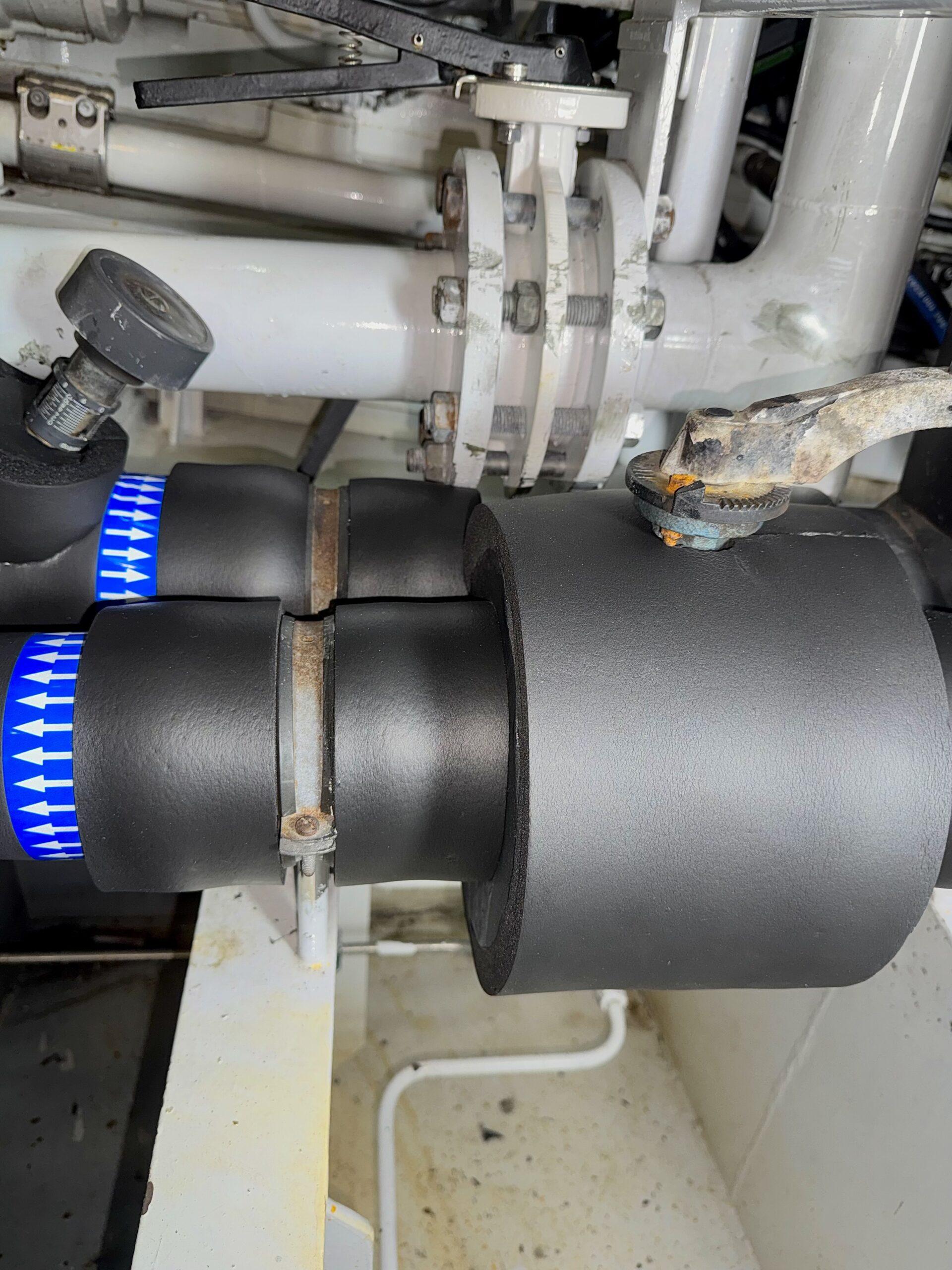
Whether operating a luxury yacht, commercial vessel, fishing craft, or passenger ferry, excessive onboard noise can reduce comfort, interfere with communication, and contribute to long-term fatigue. Effective Marine Noise Insulation transforms the onboard environment by minimizing machinery resonance, airborne acoustics, and structural vibration before they spread throughout the vessel. Modern Marine soundproofing systems combine advanced acoustic barriers, damping composites, resilient mounting technologies, and vibration-absorbing materials to create a noticeably quieter experience. Selecting the right insulation strategy not only improves crew well-being but also supports equipment longevity, regulatory compliance, and an enhanced onboard atmosphere.
Why Marine Noise Control Matters
Marine environments generate complex sound patterns originating from propulsion systems, generators, compressors, pumps, ventilation ducts, hydraulic equipment, and hull vibration. Unlike buildings, vessels continuously experience structural movement, making sound management more challenging.
Quality Marine Noise Insulation addresses both airborne transmission and structure-borne vibration. Meanwhile, advanced Marine soundproofing techniques reduce unwanted acoustic reflection while improving operational efficiency throughout the vessel.
Beyond comfort, effective insulation contributes to:
- Better crew concentration
- Improved passenger satisfaction
- Lower vibration exposure
- Enhanced equipment performance
- Reduced maintenance caused by vibration-related wear
- Compliance with maritime acoustic standards
1. Mass Loaded Vinyl (MLV) Barriers
Mass Loaded Vinyl remains one of the most effective acoustic barriers used aboard vessels. Its dense yet flexible composition blocks sound waves without requiring significant installation space.
Benefits include:
- High sound transmission loss
- Flexible installation around machinery
- Moisture-resistant construction
- Excellent durability in marine environments
MLV performs exceptionally well inside engine compartments, machinery rooms, and bulkheads where Marine Noise Insulation is a priority.
2. Acoustic Foam Panels
Specialized acoustic foam absorbs reflected sound instead of merely blocking it. Open-cell structures capture sound energy before it bounces around enclosed spaces.
Ideal applications include:
- Navigation rooms
- Entertainment lounges
- Cabins
- Control stations
Professional Marine soundproofing projects frequently combine foam with barrier materials for superior acoustic performance.
3. Composite Acoustic Blankets
Composite blankets integrate multiple acoustic layers into one engineered product.
Typical construction includes:
- Sound barrier layer
- Absorption layer
- Heat-resistant facing
- Moisture protection
These systems perform exceptionally well around generators, exhaust systems, and engine enclosures where varying frequencies require comprehensive treatment.
Advantages
- Thermal protection
- Acoustic absorption
- Fire resistance
- Easy maintenance
4. Engine Room Insulation Panels
Engine rooms generate the highest sound levels onboard.
Purpose-built insulation panels are designed specifically for:
- Diesel engines
- Marine generators
- Propulsion equipment
- Auxiliary machinery
Premium Marine Noise Insulation panels combine dense barriers with absorptive surfaces, dramatically lowering engine-generated acoustics.
5. Vibration Damping Sheets
Many onboard noises originate from vibrating metal surfaces rather than airborne sound alone.
Damping sheets convert vibration energy into minimal heat, reducing resonance across:
- Hull plating
- Bulkheads
- Machinery covers
- Deck panels
This technique significantly improves overall Marine soundproofing effectiveness.
6. Floating Floor Systems
Floating floors isolate walking surfaces from the vessel's structural framework.
Key components include:
- Elastic isolation pads
- Dense underlayment
- Acoustic membrane
- Reinforced deck finish
This configuration minimizes impact noise while preventing vibration transfer into living quarters.
7. Resilient Mounts for Machinery
Mechanical equipment should never transfer unrestricted vibration into surrounding structures.
Resilient mounts isolate:
- Engines
- Pumps
- Compressors
- Air conditioning units
- Hydraulic systems
Proper isolation substantially reduces secondary acoustic transmission throughout the vessel.
8. Pipe and Duct Insulation
Fluid movement creates vibration inside piping networks and ventilation ducts.
Acoustic insulation surrounding these systems helps reduce:
- Flow-generated turbulence
- Mechanical vibration
- Resonance inside ventilation channels
Comprehensive Marine Noise Insulation extends beyond machinery to every sound transmission pathway.
9. Acoustic Bulkhead Treatments
Bulkheads frequently transmit sound between compartments.
Modern acoustic wall assemblies utilize layered construction featuring:
- Barrier membranes
- Decoupling channels
- Acoustic insulation
- Decorative marine finishes
These systems dramatically improve cabin privacy while reducing machinery noise migration.
10. Ceiling Isolation Systems
Overhead structures often reflect noise downward.
Installing suspended acoustic ceilings offers multiple advantages:
- Reduced echo
- Improved speech clarity
- Lower machinery reflection
- Enhanced passenger comfort
Professional Marine soundproofing solutions often include overhead treatment for complete acoustic balance.
11. Door and Hatch Sealing Systems
Even premium insulation performs poorly if sound escapes through gaps.
High-performance acoustic seals include:
- Compression gaskets
- Automatic drop seals
- Marine-grade perimeter seals
- Heavy-duty latch systems
Small sealing improvements frequently deliver surprisingly noticeable acoustic benefits.
Best Installation Areas
- Engine room entrances
- Crew accommodations
- Passenger cabins
- Technical compartments
12. Double-Layer Wall Construction
Adding independent wall layers creates separation between vibration paths.
This approach reduces sound transmission through:
- Decoupled framing
- Acoustic insulation cores
- Multiple barrier layers
High-end vessels frequently employ this method in luxury accommodations where silence becomes a defining comfort feature.
13. Acoustic Window Systems
Glass surfaces often transmit airborne sound efficiently.
Marine acoustic glazing features:
- Laminated glass
- Multiple panes
- Acoustic interlayers
- Enhanced sealing systems
These specialized windows improve insulation without sacrificing visibility.
14. Exhaust Noise Suppression
Marine exhaust systems produce extremely high acoustic energy.
Effective suppression methods include:
- Marine silencers
- Resonator chambers
- Water injection systems
- Acoustic lagging
Pairing exhaust treatment with Marine Noise Insulation creates a substantial reduction in overall machinery noise.
Important Considerations
Always select corrosion-resistant materials capable of enduring elevated temperatures and continuous exposure to marine environments.
15. Integrated Marine Acoustic Systems
The highest-performing projects rarely rely on a single solution.
Instead, engineers combine:
- Vibration isolation
- Absorption materials
- Barrier technology
- Structural damping
- Acoustic sealing
- Floating assemblies
This layered methodology addresses every pathway through which sound travels onboard.
Choosing the Right Marine Noise Insulation Solution
Every vessel presents unique acoustic challenges depending on:
- Hull construction
- Engine configuration
- Passenger capacity
- Machinery placement
- Operational speed
- Environmental conditions
Successful planning begins with identifying dominant noise sources before selecting compatible insulation materials. Combining multiple technologies generally produces significantly better results than relying on a single product.
Professional installation also ensures optimal contact, correct sealing, and maximum acoustic efficiency. Careful attention to corners, penetrations, joints, and mechanical interfaces prevents sound leakage that could reduce overall system performance.
Maintenance Tips for Long-Term Acoustic Performance
Routine inspection preserves insulation efficiency throughout a vessel's operational lifespan.
Recommended maintenance practices include:
- Inspect barrier materials for damage.
- Replace worn vibration mounts.
- Check seals around doors and hatches.
- Remove accumulated moisture where applicable.
- Secure loose mechanical fasteners.
- Examine insulation after major engine servicing.
Preventive maintenance helps retain consistent acoustic performance while protecting valuable onboard equipment.
Conclusion
Creating a quieter vessel requires a balanced combination of advanced insulation materials, vibration management, and intelligent engineering practices. From acoustic blankets and floating floors to resilient mounts, exhaust silencers, and specialized barriers, these fifteen solutions address every significant pathway through which sound travels onboard. Investing in high-quality Marine Noise Insulation not only enhances operational comfort but also extends equipment life and improves the onboard experience for crew and passengers alike. By implementing a comprehensive Marine soundproofing strategy tailored to your vessel's specific requirements, you can achieve maximum sound control and enjoy a more efficient, peaceful, and professional marine environment.

 Arabic
 French
 Spanish
 Portuguese
 Deutsch
 Turkish
 Dutch
Dutch
 Italiano
 Russian
 Romaian
 Portuguese (Brazil)
 Greek
Greek