


PRP Hair Treatment vs. Other Hair Restoration Treatments
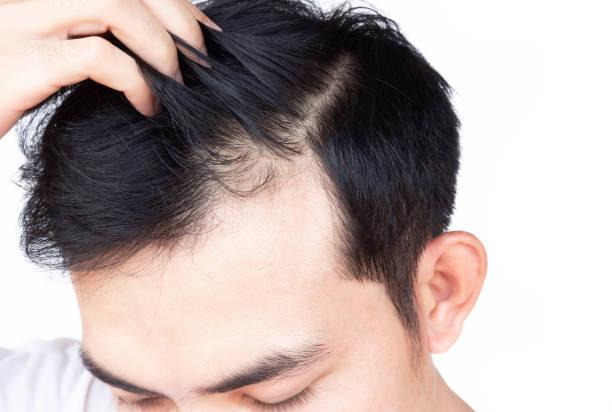
Hair loss can be addressed through several treatment options, and the most suitable approach depends on the cause, severity, follicle condition, and individual goals. Options can include platelet-rich plasma therapy, topical or oral medications, low-level light-based treatments, microneedling, and hair transplantation. PRP Hair Treatment in Riyadh is a non-surgical option that uses platelet-rich plasma prepared from the patient's own blood to support existing hair follicles and may help improve the appearance of thinning hair over time.
Each hair restoration treatment works differently, so comparing them only by their names can be misleading. PRP Hair Treatment in Riyadh focuses on supporting existing follicles, while medications may target specific biological processes involved in hair loss and transplantation physically moves follicles from one scalp area to another. Understanding these differences can help patients discuss realistic options with a qualified professional.
What Is PRP Hair Treatment?
How PRP Works
PRP is prepared from a small sample of the patient's blood. The sample is processed to concentrate the platelet-rich portion, which is then injected into selected areas of the scalp. Platelets contain growth-related substances that may help support the environment around existing follicles.
What PRP Is Designed to Do
PRP is primarily intended to support follicles that are still present but may be weakened or producing finer hair. It does not create entirely new follicles, making follicle health an important consideration when assessing suitability.
PRP vs. Hair Transplantation
Different Approaches
A hair transplant is a surgical procedure that removes follicles from a donor area and places them into areas with reduced hair coverage. PRP does not move follicles or involve surgical implantation. Instead, it is intended to support follicles already present in the scalp.
Different Uses
PRP may be considered for certain forms of thinning where viable follicles remain. Hair transplantation may be evaluated when an area has substantial or permanent hair loss and there is sufficient donor hair available for redistribution.
PRP vs. Hair-Loss Medications
How Medications Differ
Hair-loss medications can work through specific biological pathways associated with certain types of hair loss. Depending on the medication, they may influence the hair-growth cycle or reduce processes associated with follicle miniaturization. Their suitability depends on the individual's diagnosis, medical history, and treatment considerations.
When PRP May Be Discussed
PRP may be considered as a separate treatment or, in some cases, alongside other approaches. Combining treatments should only be considered after professional evaluation because the cause and pattern of hair loss can differ considerably between patients.
PRP vs. Low-Level Light Therapy
Light-Based Treatment
Low-level light therapy uses specific light wavelengths applied to the scalp with the aim of supporting hair follicles. It is non-surgical and differs from PRP because it does not involve blood collection or scalp injections.
Treatment Experience
PRP involves injections and usually takes place during scheduled clinical sessions. Light-based treatments generally involve repeated exposure sessions according to the recommended treatment plan. The appropriate option depends on individual circumstances and expectations.
PRP vs. Microneedling
Understanding Microneedling
Microneedling uses very small needles to create controlled micro-injuries in the skin of the scalp. This approach is intended to stimulate a healing response and may be used in certain hair-loss treatment plans.
How It Differs From PRP
PRP involves injecting concentrated platelet-rich plasma into selected scalp areas, while microneedling primarily relies on controlled mechanical stimulation. Some treatment plans may use both approaches, but this should be determined by a qualified professional.
Which Treatment May Be Considered for Early Hair Thinning?
Existing Follicles
When hair follicles are still present but producing increasingly fine or weak strands, treatments designed to support follicular activity may be discussed. PRP is one option that may be considered in appropriate cases.
Identifying the Cause
Early thinning can result from hereditary factors, hormonal changes, nutritional issues, stress, illness, or other conditions. Identifying the underlying cause is essential because treating the wrong cause may not address the problem effectively.
Which Treatment May Be Considered for Advanced Hair Loss?
When follicles have been permanently lost, treatments that rely on existing follicles may have limitations. Hair transplantation can sometimes be considered when suitable donor follicles are available. A specialist can assess the extent of hair loss and explain whether transplantation or another approach is appropriate.
How Many Sessions Are Needed?
PRP is commonly performed as a series of sessions rather than as a one-time procedure. The number and spacing can vary according to the degree of thinning, follicle condition, treatment goals, and individual response. Other restoration treatments also have their own schedules, so treatment frequency should be discussed with the relevant provider.
When Do Results Appear?
Hair restoration generally requires patience because hair grows through a natural cycle. PRP results may develop gradually over several months, while other treatments can also require repeated sessions or prolonged use before changes become noticeable. The timeline depends on the treatment, cause of hair loss, follicle condition, and individual response.
What Factors Should Patients Consider?
Cause and Pattern of Hair Loss
A correct diagnosis can help narrow the range of appropriate treatments. Hereditary thinning, temporary shedding, autoimmune-related hair loss, and scarring conditions may require very different management strategies.
Degree of Follicle Loss
Treatments that support existing follicles may be more relevant when viable follicles remain. When follicles are permanently absent, a different approach may need to be considered.
Treatment Preferences
Patients may also consider whether they prefer an injectable, medication-based, light-based, or surgical approach. Recovery, maintenance, treatment duration, and expected outcomes can all be discussed during a professional consultation.
Can Treatments Be Combined?
Some hair restoration plans may involve more than one treatment. For example, a specialist may discuss PRP alongside medication or other procedures when there is a reasonable clinical basis. Combination treatment is not automatically appropriate for everyone, so it should be planned according to the individual's diagnosis and treatment goals.
Understanding the Limitations of PRP
PRP is not a guaranteed solution for every type of hair loss. It cannot replace follicles that have been permanently destroyed or removed, and it may not address the underlying cause of every shedding condition. Its potential benefit depends largely on the presence and condition of existing follicles.
Setting Realistic Expectations
There is no single hair restoration treatment that suits every patient. PRP, medication, light therapy, microneedling, and transplantation each have different mechanisms, requirements, and limitations. A professional evaluation can help determine which options are relevant to a person's specific hair-loss pattern and establish realistic expectations.
Book an Appointment at Royal Clinic Saudia
If you are comparing PRP with other hair restoration options, a professional consultation can help you understand which treatments may be suitable for your condition. Royal Clinic Saudia can assess your scalp and hair-loss pattern and discuss an individualized approach based on your follicle health and treatment goals.

 Arabic
 French
 Spanish
 Portuguese
 Deutsch
 Turkish
 Dutch
Dutch
 Italiano
 Russian
 Romaian
 Portuguese (Brazil)
 Greek
Greek