


Understanding the Rhinoplasty Recovery Process
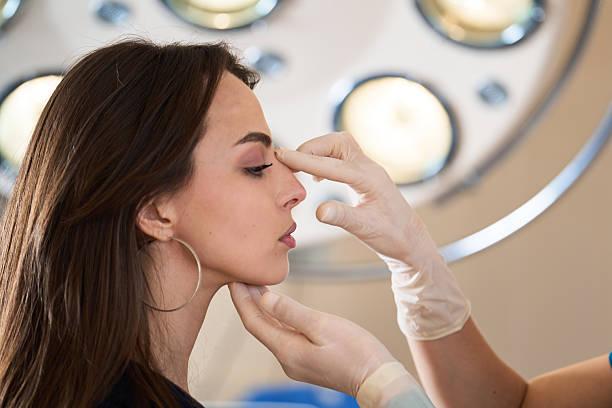
Rhinoplasty is a surgical procedure designed to change the shape, size, or structure of the nose for aesthetic or functional reasons. People may consider this treatment to improve facial balance, refine the nasal tip, correct a bump, or address structural problems that affect breathing. Understanding the process before making a decision helps patients develop realistic expectations and prepare for each stage of treatment. For individuals researching Rhinoplasty in Riyadh (عملية تجميل الأنف في الرياض), learning about preparation, the surgical procedure, and recovery can help them make informed decisions and discuss their goals with a qualified surgeon.
What Is Rhinoplasty Surgery?
Rhinoplasty, commonly known as a nose job, involves modifying the nasal bone, cartilage, or surrounding structures to achieve the desired result. The approach depends on the patient's anatomy, concerns, breathing function, and treatment goals.
Cosmetic Rhinoplasty
Cosmetic rhinoplasty focuses on improving the appearance of the nose. A surgeon may adjust the nasal bridge, refine the tip, reduce a prominent bump, or improve the proportions between the nose and other facial features. The objective is to create a balanced appearance while preserving the nose's natural character.
Functional Rhinoplasty
Functional rhinoplasty addresses structural concerns that may interfere with airflow. Depending on the underlying problem, treatment may involve correcting nasal valve weakness, structural irregularities, or other abnormalities. A septoplasty may be performed alongside rhinoplasty when a deviated septum contributes to breathing difficulties.
How to Prepare for Rhinoplasty Surgery
Preparation is an important part of the surgical process. A detailed consultation helps the surgeon assess whether the procedure is suitable and develop a treatment plan based on the patient's individual needs.
Attend a Detailed Consultation
During the consultation, patients should explain what they would like to change and whether they experience nasal congestion, previous injuries, or breathing problems. The surgeon will examine the nose, review medical history, and assess facial proportions. Photographs may be used to discuss potential changes, although they cannot guarantee an exact surgical outcome.
Patients should ask about the surgeon's qualifications, experience with rhinoplasty, the proposed technique, anesthesia, possible complications, and postoperative care. Clear communication helps establish realistic expectations.
Review Medications and Health Conditions
Patients should provide a complete list of medications, supplements, allergies, and existing medical conditions. Some medicines and supplements can increase bleeding risk, so the surgeon may recommend adjustments when appropriate. Patients should never stop prescribed medication without medical guidance.
Smoking and nicotine use can affect healing. Patients should discuss stopping these products before and after surgery according to their surgeon's instructions. Any active infection or significant health concern should also be evaluated before proceeding.
Arrange Recovery Support
Planning for recovery can make the first few days more comfortable. Patients should arrange transportation home after surgery, organize help with daily tasks if needed, and prepare a quiet place to rest. Following fasting instructions before anesthesia and understanding the postoperative medication schedule are also essential.
What Happens During Rhinoplasty Surgery?
The surgical technique depends on the nasal structures being treated and the complexity of the procedure. Rhinoplasty is generally performed under general anesthesia, although the anesthesia plan may vary according to the case.
Open and Closed Rhinoplasty Techniques
In open rhinoplasty, the surgeon makes incisions inside the nostrils and a small incision across the tissue between them. This approach provides greater visibility of the underlying structures and may be useful for more complex reshaping.
Closed rhinoplasty uses incisions inside the nostrils, avoiding an external incision across the columella. It may be suitable for selected cases where the required changes can be achieved through this approach. Neither technique is automatically better for every patient; the appropriate choice depends on anatomy, surgical goals, and the surgeon's assessment.
Reshaping the Nasal Structures
Once the incisions are made, the surgeon carefully adjusts bone and cartilage to achieve the planned shape or improve structural support. Cartilage grafts may sometimes be used to support the nose or refine its contours. If a functional issue also requires treatment, additional procedures may be performed during the same operation.
After the necessary changes are completed, the surgeon closes the incisions and may apply a nasal splint to support and protect the nose during early healing. The procedure's duration varies depending on its complexity.
What to Expect During Rhinoplasty Recovery
Recovery occurs gradually, and the experience differs between patients. Swelling, bruising around the eyes, nasal congestion, tenderness, and mild discomfort are common during the initial healing period.
The First Week After Surgery
Patients should rest, keep their head elevated as instructed, and avoid pressure on the nose. The surgeon may advise using cold compresses around the eyes without placing pressure directly on the nose. Patients should follow instructions for cleaning the area, taking medication, and managing nasal congestion.
A splint is often removed during a follow-up appointment, commonly around the first week, depending on the surgeon's plan. Patients should avoid blowing their nose or disturbing internal dressings unless specifically instructed otherwise.
Returning to Daily Activities
Light activities can usually be resumed gradually, but strenuous exercise, heavy lifting, and activities that could cause a nasal injury should be avoided until the surgeon confirms they are safe. Contact sports may require a longer period of restriction.
Much of the visible bruising and early swelling generally improves over the first few weeks. However, subtle swelling—particularly around the nasal tip—can persist for several months. The final result may take a year or longer to become fully apparent.
Recognizing Potential Complications
Rhinoplasty carries risks, including bleeding, infection, scarring, asymmetry, changes in sensation, persistent swelling, breathing difficulties, and dissatisfaction with the outcome. Some patients may require additional surgery. Patients should contact their surgical team if they develop fever, increasing pain, unusual discharge, or significant bleeding. Severe breathing difficulty or uncontrolled bleeding requires urgent medical attention.
Tips for Supporting a Smooth Recovery
Following the surgeon's instructions is essential for protecting the healing nose and supporting the best achievable outcome. Patients should attend all follow-up appointments, avoid wearing glasses directly on the nose until cleared, protect the nose from accidental impact, and avoid smoking or nicotine during the recommended healing period.
Maintaining realistic expectations is equally important. Swelling can temporarily make the nose look uneven or different from the anticipated result. Patients should allow sufficient time for healing before judging the final appearance and discuss any concerns with their surgeon rather than attempting to assess changes too early.
Who May Be a Suitable Candidate for Rhinoplasty?
Suitable candidates are generally in good overall health, have completed most nasal growth, and understand both the potential benefits and limitations of surgery. People seeking improvement in nasal appearance, structural balance, or breathing may be considered after a thorough assessment.
A qualified surgeon will evaluate nasal anatomy, breathing function, medical history, and personal goals before recommending treatment. Patients should understand that rhinoplasty can improve specific concerns but cannot guarantee perfect symmetry or reproduce another person's nose exactly.
Book an Appointment at Royal Clinic Saudia
Choosing an experienced surgical team and understanding each stage of treatment can help patients approach nose surgery with greater confidence. Royal Clinic Saudia ( عيادات رويال كلينك ) can be contacted to discuss consultation options, treatment goals, and the next steps for an individualized assessment. If you are considering Rhinoplasty in Riyadh, a professional consultation can help determine whether surgery is appropriate, explain the available techniques, and clarify what to expect before and after the procedure.

 Arabic
 French
 Spanish
 Portuguese
 Deutsch
 Turkish
 Dutch
Dutch
 Italiano
 Russian
 Romaian
 Portuguese (Brazil)
 Greek
Greek