


Exploring Modern Hair Loss Treatment Solutions for Thinning Hair
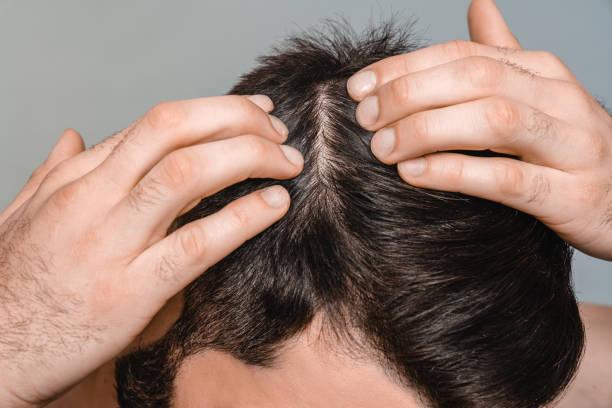
Thinning hair is a common concern that can affect both men and women, influencing confidence and changing how people feel about their appearance. Hair may become finer gradually, shed more than usual, or lose density around the hairline, crown, or parting. Modern treatment options offer several ways to address hair loss, but the most appropriate approach depends on its underlying cause, severity, and progression. Choosing hair loss treatment begins with a professional assessment that helps identify contributing factors and determine which options may support healthier hair growth. With personalized care and realistic expectations, many people can better manage thinning and protect their existing hair.
Understanding Why Hair Becomes Thinner
Hair thinning can develop for several reasons, and identifying the cause is essential before starting treatment. Hereditary pattern hair loss is one of the most common causes. In men, it often appears as a receding hairline or thinning crown, while women may notice a widening part or reduced density across the top of the scalp.
Temporary shedding can also occur after illness, childbirth, surgery, emotional stress, or significant weight loss. This condition, known as telogen effluvium, disrupts the normal hair growth cycle and may cause increased shedding several weeks or months after a triggering event.
Other contributing factors include thyroid disorders, iron deficiency, certain medications, autoimmune conditions, and inflammatory scalp disorders. A healthcare professional may examine the scalp, review medical history, and recommend blood tests when necessary to establish the likely cause.
Topical Treatments for Thinning Hair
Minoxidil
Minoxidil is a commonly used treatment for certain forms of hereditary hair loss. It is applied to the scalp and may help slow thinning or encourage regrowth in suitable patients. Results typically require consistent use over several months, and continued treatment is usually needed to maintain improvements.
Some users experience scalp irritation, dryness, or temporary increased shedding when beginning treatment. The appropriate product and application routine depend on individual circumstances, so professional guidance can be helpful when deciding whether minoxidil is suitable.
Medicated Scalp Care
When hair thinning is associated with a scalp condition, treatment may focus on reducing inflammation, managing infection, or controlling irritation. Medicated shampoos or prescription treatments may be recommended for specific diagnoses. These products are not universal hair-growth solutions, and treating a scalp condition does not necessarily reverse hereditary hair loss.
Persistent itching, scaling, redness, pain, or patchy hair loss should be evaluated rather than managed with cosmetic products alone.
Prescription Treatments for Hereditary Hair Loss
Certain prescription medicines may help slow hereditary hair loss. Finasteride, for example, may be prescribed to eligible men with male-pattern hair loss. Other medications may be considered in selected cases depending on the diagnosis, medical history, and individual risk factors.
Prescription treatments require professional supervision because they can cause side effects and are not suitable for everyone. People who are pregnant, planning pregnancy, or breastfeeding should seek specific medical advice before considering hair-loss medicines. A clinician can explain potential benefits, limitations, and monitoring requirements before treatment begins.
Platelet-Rich Plasma Therapy
Platelet-rich plasma, commonly called PRP, is a procedure that uses a concentrated preparation made from the patient's own blood. A blood sample is collected and processed, and the platelet-rich portion is injected into selected areas of the scalp. Platelets contain growth factors that researchers are investigating for their potential role in supporting hair follicles.
PRP may improve hair density in some people with certain types of nonscarring hair loss, but results vary, and treatment methods are not standardized. Several sessions may be recommended, and maintenance treatment may be considered depending on the response.
PRP does not guarantee regrowth and may not be appropriate for advanced or scarring hair loss. Individuals considering Hair Loss Treatment in Riyadh should ask a qualified clinician about the evidence, potential risks, expected results, and alternative options before proceeding.
Low-Level Light Therapy
Low-level light therapy uses devices that deliver specific wavelengths of light to the scalp. Some devices are marketed to support hair growth in people with hereditary hair loss. Research suggests potential benefits for certain patients, although the degree of improvement varies and evidence is still developing.
Treatment usually requires regular use over an extended period. Device quality, treatment schedules, and individual response can influence outcomes. Light therapy should not be viewed as a guaranteed alternative to established medical treatments, and a professional can help determine whether it is appropriate.
Hair Transplantation for Suitable Candidates
Hair transplantation is a surgical option for some people with established hereditary hair loss. It involves moving hair follicles from a donor area, typically the back or sides of the scalp, to areas where density has decreased.
Common techniques include follicular unit extraction (FUE), which removes individual follicular units, and follicular unit transplantation (FUT), which involves removing a strip of scalp. The most appropriate approach depends on donor hair availability, the pattern of thinning, scalp characteristics, and personal goals.
Transplanted hair grows gradually, and final results may take a year or longer to develop. Surgery does not prevent untreated hair from continuing to thin, so ongoing medical management may be advised. A qualified surgeon should discuss scarring, recovery, possible complications, and realistic expectations before treatment.
Nutrition and Lifestyle Support
Healthy hair growth relies on adequate nutrition and overall well-being. Insufficient iron, protein, or other essential nutrients may contribute to shedding when a deficiency is present. Restrictive diets and rapid weight loss can also disrupt the hair growth cycle.
A balanced diet, adequate sleep, stress management, and gentle hair-care practices can complement a treatment plan. Avoid hairstyles that place persistent tension on the roots, and limit excessive heat or harsh chemical processing that can cause breakage. Supplements should be used when appropriate, as excessive intake of certain nutrients can be harmful and may worsen hair loss.
Choosing the Right Modern Treatment
No single solution works for every person experiencing thinning hair. The right option depends on the diagnosis, severity, medical history, treatment goals, and willingness to maintain a long-term routine. A professional consultation can help compare medications, PRP, light therapy, transplantation, and approaches for treating underlying medical conditions.
Before beginning Hair Loss Treatment in Riyadh, ask about the expected timeline, likelihood of improvement, possible side effects, ongoing maintenance, and alternatives. Be cautious of treatments that promise immediate results or guaranteed hair regrowth.
Conclusion
Modern hair-loss solutions range from topical and prescription treatments to PRP therapy, light-based devices, and hair transplantation for suitable candidates. Their effectiveness depends on the underlying cause, and some approaches have stronger evidence than others. A careful assessment helps identify the most appropriate option and establish realistic expectations for healthier-looking hair.
If you are concerned about thinning hair or ongoing shedding, contact Royal Clinic Saudia to arrange a consultation. A professional assessment can help you explore suitable Hair Loss Treatment in Riyadh options based on your individual needs and hair-health goals.

 Arabic
 French
 Spanish
 Portuguese
 Deutsch
 Turkish
 Dutch
 Italiano
 Russian
 Romaian
 Portuguese (Brazil)
 Greek