


Rotator Cuff Tear Symptoms: When Is Shoulder Surgery Necessary?
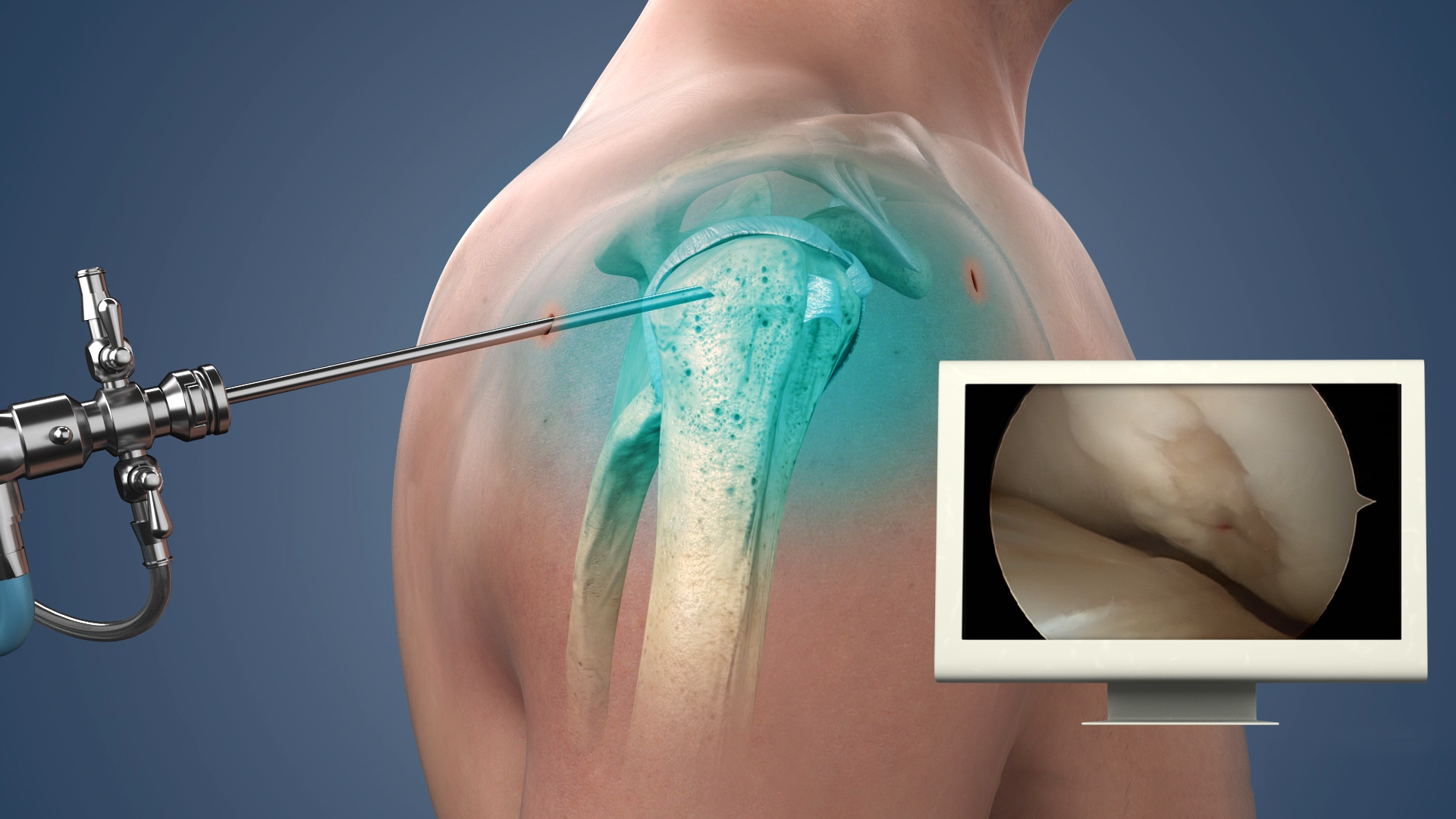
A sharp pain when reaching overhead, weakness while lifting groceries, or discomfort that keeps you awake at night may signal more than ordinary shoulder strain. These symptoms can sometimes indicate a rotator cuff tear, a common injury affecting shoulder strength and mobility. While some tears respond well to physical therapy and other conservative treatments, others may require surgical intervention. Understanding the warning signs and available treatment options can help you make informed decisions. Consulting a Shoulder Surgeon in Troy, MI, can provide clarity about your condition and whether surgery is necessary.
1. Understanding Rotator Cuff Tears in Troy, Michigan
The rotator cuff consists of four muscles and their tendons that surround and stabilize the shoulder joint. These structures help keep the upper arm bone positioned within the shoulder socket while allowing smooth movement.
A rotator cuff tear occurs when one or more tendons become partially or completely damaged. Tears may develop suddenly after an injury or gradually through repetitive stress and age-related degeneration.
Common Types of Rotator Cuff Tears
Partial-thickness tear: The tendon is damaged but has not torn completely through its thickness.
Full-thickness tear: The tear extends through the entire tendon thickness, sometimes separating the tendon from its attachment to the bone.
A Common Example
Consider a Troy resident who enjoys gardening and home improvement projects. After repeatedly lifting heavy materials, they begin experiencing mild shoulder discomfort.
Initially, the pain appears only during overhead movements. Over time, however, lifting everyday objects becomes difficult, and sleeping on the affected shoulder becomes uncomfortable.
An orthopedic examination and appropriate imaging could reveal a rotator cuff tear.
This hypothetical example illustrates why ongoing shoulder weakness and pain should not automatically be dismissed as muscle fatigue.
2. Rotator Cuff Tear Symptoms and When Surgery May Be Necessary
Rotator cuff injuries can produce different symptoms depending on the tendon involved, tear size, and severity.
Common Symptoms of a Torn Rotator Cuff
-
Persistent shoulder pain: Discomfort that worsens during lifting, reaching, or certain arm movements.
-
Nighttime shoulder pain: Difficulty sleeping comfortably, particularly when lying on the affected side.
-
Arm weakness: Reduced strength when lifting objects or rotating the shoulder.
-
Limited range of motion: Difficulty reaching overhead or behind the back.
-
Pain during daily activities: Discomfort while dressing, washing hair, or carrying groceries.
-
Clicking sensations: Occasional popping or catching during shoulder movement.
Some rotator cuff tears cause relatively little discomfort, while others significantly affect daily functioning.
When Does a Rotator Cuff Tear Require Surgery?
Not every tear requires an operation. Many patients improve through nonsurgical treatment, particularly when pain and weakness can be managed effectively.
However, surgery may be considered in several situations.
1. Persistent Pain Despite Conservative Treatment
When physical therapy, activity modifications, and appropriate medications fail to provide meaningful improvement, surgical evaluation may be recommended.
2. Significant Shoulder Weakness
A large or complete tear may interfere with the ability to lift or rotate the arm effectively.
3. Acute Traumatic Injuries
A sudden tear following a fall, sports injury, or heavy lifting incident may require prompt orthopedic assessment, especially when substantial weakness develops.
4. Progressive Loss of Shoulder Function
Increasing difficulty performing everyday tasks may indicate that the injury requires additional evaluation.
5. Certain Large or Retracted Tears
Some tears involve substantial tendon damage or changes in the surrounding muscles. Surgery may be considered depending on repairability, symptoms, and functional needs.
Patients considering shoulder surgery troy should understand that treatment decisions depend on more than imaging results alone.
3. Can a Rotator Cuff Tear Heal Without Surgery?
One of the most common questions patients ask is whether a torn rotator cuff can recover naturally.
The answer depends on the injury.
A completely torn tendon generally does not reattach to the bone without surgical repair. However, many patients can achieve meaningful pain relief and improved shoulder function through nonsurgical care.
Nonsurgical Treatment Options
Physical Therapy
Targeted exercises can strengthen the remaining shoulder muscles, improve stability, and restore functional movement.
Activity Modification
Reducing repetitive overhead activities and avoiding movements that aggravate symptoms may help manage discomfort.
Pain Management
Anti-inflammatory medications may reduce pain when appropriate for the patient's medical history.
Corticosteroid Injections
In selected cases, injections may provide temporary relief from inflammation and pain. Repeated injections require careful consideration because they may affect tendon health.
How Is a Rotator Cuff Tear Diagnosed?
A shoulder specialist typically begins with a medical history and physical examination.
Depending on the findings, diagnostic testing may include:
-
X-rays: To evaluate bones, arthritis, and other possible causes of shoulder pain.
-
MRI: To examine tendon damage, tear size, and surrounding soft tissues.
-
Ultrasound: To assess rotator cuff tendons and identify certain tears.
Patients seeking shoulder pain treatment troy should prioritize an accurate diagnosis before deciding whether surgical intervention is appropriate.
Practical Tips for Managing Symptoms
While awaiting an orthopedic evaluation:
-
Avoid repeatedly lifting heavy objects above shoulder height.
-
Modify activities that increase pain.
-
Use cold therapy for temporary relief when appropriate.
-
Maintain gentle movement within a comfortable range.
-
Avoid aggressive exercises that worsen weakness or discomfort.
Sudden inability to lift the arm after an injury, severe pain, or visible deformity warrants urgent medical evaluation.
4. Shoulder Surgery, Recovery, and Long-Term Outcomes
When conservative treatment is insufficient, a Shoulder Surgeon in Troy MI may recommend discussing surgical options.
The most appropriate procedure depends on the tear's size, location, tissue condition, and the patient's overall health.
Common Surgical Approaches
Arthroscopic Rotator Cuff Repair
This minimally invasive technique uses a small camera and specialized instruments inserted through small incisions to repair the damaged tendon.
Mini-Open Rotator Cuff Repair
This approach combines arthroscopic evaluation with a small incision to access and repair the tendon when appropriate.
Open Rotator Cuff Repair
Some complex or extensive injuries may require a larger incision to perform the necessary repair.
At Yousaf Orthopedic Surgery, patients can seek orthopedic evaluation and discuss treatment approaches based on their symptoms, examination findings, and individual recovery goals.
What Happens After Rotator Cuff Surgery?
Recovery generally involves several stages.
|
Recovery Stage |
What Patients May Expect |
|---|---|
|
First several weeks |
Sling protection, pain management, and restricted shoulder movement |
|
Approximately 4–8 weeks |
Gradual progression of guided mobility exercises, depending on the repair |
|
Approximately 8–12 weeks |
Progressive rehabilitation and strengthening when cleared |
|
3–6 months |
Improved shoulder function and gradual return to many activities |
|
6–12 months |
Continued recovery of strength and function, particularly after larger repairs |
These timelines are approximate. Recovery varies according to tear size, surgical technique, tissue healing, and rehabilitation progress.
The Importance of Long-Term Shoulder Care
Successful treatment involves more than repairing a damaged tendon.
Patients benefit from following rehabilitation instructions, gradually rebuilding strength, and avoiding activities that place excessive strain on healing tissues.
For individuals exploring Shoulder Surgery in Troy MI, understanding postoperative responsibilities is essential for setting realistic expectations.
Frequently Asked Questions
1. How painful is a rotator cuff tear?
Pain varies significantly. Some patients experience mild discomfort, while others develop severe nighttime pain, weakness, and difficulty lifting their arms.
2. Can I still move my arm with a torn rotator cuff?
Yes. Many patients retain some shoulder movement despite a tear. However, certain movements may become painful or weak.
3. What happens if a rotator cuff tear is left untreated?
Some tears remain relatively stable, while others enlarge or cause progressive weakness and muscle changes. Monitoring and treatment depend on symptoms and tear characteristics.
4. Is rotator cuff surgery always successful?
Many patients experience meaningful improvements in pain and function, but outcomes vary. Age, tear size, tendon quality, rehabilitation, and overall health influence recovery.
Conclusion
Rotator cuff tears can affect sleep, strength, mobility, and everyday independence. Recognizing symptoms early allows patients to explore appropriate treatment before shoulder problems become more limiting. Although many tears respond well to conservative care, significant injuries or persistent functional limitations may warrant surgical evaluation. Understanding your diagnosis, available procedures, and recovery expectations helps you make informed decisions. If shoulder symptoms continue to interfere with daily activities, consider scheduling an orthopedic consultation.

 English
 Arabic
 Spanish
 Portuguese
 Deutsch
 Turkish
 Dutch
 Italiano
 Russian
 Romaian
 Portuguese (Brazil)
 Greek