


Can Q-switched Laser Treatment Help Improve Uneven Skin Texture?
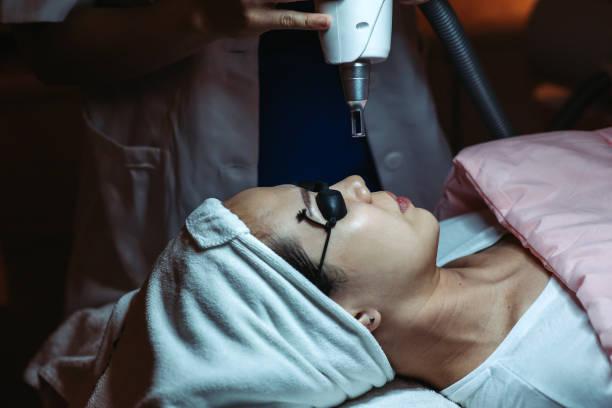
Uneven skin texture can make the complexion appear rough, dull, or less smooth. It may develop due to sun exposure, acne-related changes, enlarged pores, aging, or differences in skin cell turnover. While several cosmetic procedures are available to address these concerns, choosing the right option depends on the underlying cause. Q-switched laser technology is primarily designed to target selected pigmentation concerns, but it may also contribute to improvements in overall skin appearance in certain cases. Understanding its capabilities and limitations can help individuals considering q switch laser decide whether this procedure matches their skincare goals.
Understanding the Causes of Uneven Skin Texture
Uneven skin texture describes variations in the smoothness and appearance of the skin's surface. Some people notice rough patches, while others experience small bumps, visible pores, or shallow acne marks.
Several factors can contribute to these changes:
-
Sun damage: Repeated ultraviolet exposure can affect skin quality and contribute to roughness, pigmentation, and premature aging.
-
Acne: Previous breakouts may leave behind uneven areas, enlarged pores, or permanent textural scars.
-
Aging: Natural changes in collagen and elastin can gradually affect skin firmness and smoothness.
-
Dehydration: Insufficient moisture can make fine lines and rough patches more noticeable.
-
Post-inflammatory changes: Skin inflammation may leave discoloration and, in some cases, changes in surface texture.
Identifying the specific cause is important because pigmentation and structural texture concerns often require different treatment approaches.
How Q-Switched Laser Treatment Works
Q-switched lasers produce very short pulses of concentrated light energy. Depending on the wavelength and settings, the laser can target selected pigment particles within the skin.
For pigmentation concerns, the energy may fragment melanin into smaller particles through a photoacoustic effect. The body gradually processes these particles, which can reduce the visibility of certain dark spots and uneven pigmentation.
Its Role in Improving Skin Appearance
When uneven texture is accompanied by pigmentation, treating the discoloration may help the complexion look clearer and more uniform. However, this visual improvement should not be confused with physically resurfacing the skin.
Q-switched laser treatment is not primarily designed to remove raised scars, fill depressed acne scars, or significantly change enlarged pores. Other procedures may be more appropriate when the main concern involves structural changes.
Can Q-Switched Laser Treatment Smooth Rough Skin?
The answer depends on what is causing the rough appearance. If the skin looks uneven mainly because of dark spots, freckles, or selected pigment-related marks, reducing those areas may create a more balanced overall appearance.
However, if roughness results from deeper acne scars, pronounced pores, or irregular skin structure, a pigment-focused laser may have limited benefits.
For individuals exploring Q-switched Laser Treatment in Riyadh, a professional skin assessment can help determine whether pigmentation is contributing to the concern or whether another treatment would be more suitable.
Skin Concerns That May Benefit From Treatment
Q-switched laser technology may be considered for selected benign pigmentation concerns that affect the appearance of the complexion.
Sun Spots and Uneven Pigmentation
Sun spots can create visible differences in skin tone, particularly on the face and other frequently exposed areas. Treating suitable pigmented spots may help reduce their contrast with the surrounding skin.
Certain Freckles and Dark Marks
Some freckles and other benign pigment deposits may respond to specific laser wavelengths. The expected response depends on their depth, color, and the individual's skin characteristics.
Selected Post-Inflammatory Pigmentation
Dark marks left after acne or other inflammation may sometimes be considered for pigment-focused treatment. However, active acne, ongoing inflammation, and the risk of additional pigmentation must be evaluated before proceeding.
When Another Treatment May Be More Appropriate
Not every type of uneven texture responds to Q-switched laser technology. The following concerns may require a different approach:
-
Atrophic acne scars: Depressed scars may benefit from treatments designed to stimulate collagen remodeling, such as microneedling or fractional laser procedures.
-
Raised scars: These may require specialist evaluation and treatments directed at excess scar tissue.
-
Enlarged pores: Their appearance may be addressed through a combination of suitable skincare and selected resurfacing procedures.
-
Fine lines and roughness: Depending on their cause, topical retinoids, chemical peels, or resurfacing treatments may be considered.
-
Dehydrated skin: Moisturizing products and appropriate barrier care may improve dryness-related roughness.
A treatment plan should address the actual skin concern rather than relying on one procedure for every type of imperfection.
What to Expect During a Treatment Session
Before treatment, a practitioner examines the skin and reviews medical history, current medications, previous procedures, and recent sun exposure. The assessment helps identify the type of pigmentation and determine whether the laser is appropriate.
The treatment area is cleansed, protective eyewear is provided, and controlled laser pulses are delivered to the selected areas. Patients may experience brief snapping or stinging sensations.
Temporary redness, warmth, mild swelling, or sensitivity can occur afterward. Some pigmented spots may initially become darker before gradually changing as the body processes the fragmented pigment.
Recovery and Aftercare Considerations
Following the recommended aftercare routine helps protect the skin during recovery. Patients may be advised to:
-
Apply broad-spectrum sunscreen with SPF 30 or higher.
-
Limit direct sunlight and avoid tanning.
-
Cleanse gently without scrubbing the treated area.
-
Use a suitable moisturizer to support the skin barrier.
-
Avoid picking any crusts or flakes.
-
Pause strong exfoliants and irritating skincare products until the skin has recovered.
Possible side effects include temporary pigment changes, blistering, and, rarely, scarring. People with darker skin tones may have an increased risk of post-inflammatory hyperpigmentation or hypopigmentation if unsuitable settings are used. Professional assessment and careful treatment selection are essential.
How Many Sessions May Be Required?
The number of sessions varies according to the pigmentation, treatment area, skin type, and individual response. Some superficial pigment concerns may improve after one session, while others require multiple appointments.
There is no universal treatment schedule. The skin should be allowed to recover, and the practitioner should evaluate the response before recommending another session.
Achieve a More Balanced-Looking Complexion With Royal Clinic Saudia
Improving uneven skin texture begins with understanding whether the concern is caused by pigmentation, scarring, dryness, or another skin condition. Q-switched Laser Treatment in Riyadh may help reduce selected pigment-related imperfections, but it is not a universal solution for structural texture problems. For personalized guidance, consult the skincare professionals at Royal Clinic Saudia to discuss your skin concerns, explore suitable procedures, and develop a treatment plan based on your individual needs.

 Arabic
 French
 Spanish
 Portuguese
 Deutsch
 Turkish
 Dutch
 Italiano
 Russian
 Romaian
 Portuguese (Brazil)
 Greek