


Trusted Embroidery Digitizing Experts: Secrets to High-Quality Machine Embroidery
Introduction
You have spent hours perfecting your design. You send it to the embroidery machine, hit start, and watch in horror as the final product comes out looking nothing like what you expected. The edges are jagged, the fabric is puckered, and small details have disappeared into a messy blob of thread. The machine is not the problem. The file is.
When you work with Trusted Embroidery Digitizing Experts, you are not just paying for a file conversion. You are paying for years of experience, technical knowledge, and creative insight that transforms flat artwork into beautiful, durable embroidery. The difference between an amateur file and a professional one is night and day, and understanding what makes a digitizer truly expert can save you time, money, and endless frustration.
What Actually Happens in Embroidery Digitizing
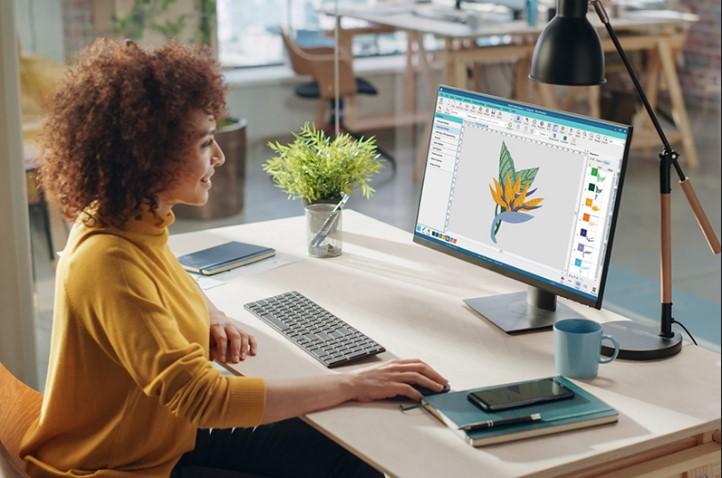
Digitizing is the process of translating artwork into a machine-readable file that tells the embroidery machine exactly where to place every single stitch . But this is not a simple conversion. Modern digitizing software allows experts to create shapes and assign embroidery-specific parameters to each element, including stitch type, stitch length, stitch angle, density, entry and exit points, and underlay settings .
A skilled digitizer does not just duplicate the artwork. They redraw it with the natural stresses of embroidery in mind, considering how thread behaves and how the garment material will react during stitching . They decide which parts of your design will use a satin stitch for text and borders, a fill stitch for large solid areas, and a running stitch for fine details . They also determine the sewing sequence, color changes, and trimming points to ensure the machine runs smoothly and efficiently .
The Secret Sauce: Compensation for Distortion
This is where the real magic happens. Embroidery is not printing. When stitches are pulled tight, they shorten along their length and pull the fabric inward. This is called pull distortion . At the same time, stitches push against each other and expand in the perpendicular direction, known as push distortion . A professional digitizer must compensate for these forces manually, making shapes wider or narrower so they stitch out correctly on fabric .
A perfect circle on screen, for example, will almost always stitch out as an oval unless the digitizer deliberately draws it slightly oval-shaped to compensate . This is why the on-screen preview is often misleading. A file that looks flawless in the software can stitch out terribly, and the only way to know for sure is to test it on real fabric .
Why Auto-Digitizing Is Not Enough
Let us address a common misconception. Many people believe you can simply import an image into embroidery software, click a button, and get a perfect embroidery file. This is simply not true . While automation can help with basic shapes or provide a starting point, it cannot replace the judgment and experience of a skilled digitizer . It cannot analyze how different fabrics will behave, compensate for distortion correctly, or make creative decisions about stitch direction and texture.
Research indicates that around seventy percent of embroidery errors come from poor digitizing, not the machine itself . Auto-digitizing often produces results with jagged edges, missing details, poor underlay, and stitch paths that cause thread breaks and fabric puckering . For simple, low-stakes projects, it might be fine. But for professional logos and high-quality production, manual digitizing is essential.
Fabric Knowledge Separates the Pros from the Amateurs
Every fabric behaves differently under the needle, and a trusted expert knows exactly how to adjust for each one . Soft, stretchy materials like jersey need lighter density and good underlay to prevent puckering . Thick fabrics like denim or canvas require stronger pull compensation . Thin fabrics need lower stitch density to avoid distortion and thread breaks .
A professional digitizer will always ask what fabric you are using before they start. They know the same design that looks perfect on a polo shirt will be a disaster on a structured cap or a lightweight performance fabric . They adjust stitch type, direction, density, and underlay specifically for the garment you plan to use.
The Critical Role of Underlay
Underlay stitches are the invisible foundation that supports the visible top stitches. They stabilize the fabric, reduce sinking, and help the design keep its shape . Without proper underlay, satin borders can look wobbly, fills can look uneven, and the entire design can shift during stitching .
Experts use different types of underlay depending on the design and fabric. An edge run underlay improves edge definition for satin stitches. A zigzag underlay provides stronger support for thicker borders. A tatami underlay stabilizes large fill areas . They also know that knits and stretchy materials need stronger underlay to prevent shifting, while high-nap fabrics like towels require special strategies to keep details visible .
Text Digitizing: The Real Test of Skill
Text is where many designs fail because letters are small and unforgiving. A professional digitizer knows the limits of embroidery and advises on what will and will not work at the intended size . For small text, they might choose a running stitch instead of forcing tiny satin columns that will break needles . They understand that thin serif fonts often stitch poorly and may suggest alternatives .
They also know how to space letters properly so they do not crowd together, apply pull compensation to prevent edges from shrinking inward, and sequence the letters correctly for efficient stitching . Testing the text first on scrap fabric is a hallmark of a careful digitizer.
How to Spot a Trustworthy Digitizing Service
So how do you find a digitizer you can truly trust? First, look for someone who provides a portfolio of their work. Ask for samples that include fine details, shading, and small text. Zoom in and look at how clean the stitches are. A good digitizer will be proud to show you their work .
Second, check their communication. A responsive digitizer who asks questions about your fabric, machine, and intended use is a good sign. They are not just processing an order; they are thinking about how to make your design work . A digitizer who offers honest advice when your design is too detailed for embroidery is worth their weight in gold .
Third, ask about their revision policy. Even the best digitizers sometimes need to make small adjustments after a test stitch-out. A trustworthy service will offer free revisions for quality fixes and stand behind their work . They will also test sew your design before sending it to you, ensuring it works on the intended fabric and stabilizer .
Fourth, verify that they provide the correct file format for your machine. Format compatibility is essential, and a professional service will offer the formats you need, whether it is DST, PES, EXP, VP3, HUS, or another type .
When to Outsource and When to DIY
Learning to digitize is a valuable skill, but it takes time, practice, and a willingness to learn from mistakes. The process requires a blend of creative thinking and scientific attention to how changing variables affect outcomes . If you are a business owner with a production schedule to meet, the learning curve might be too steep. Outsourcing to a trusted professional digitizing service is often the most practical and cost-effective choice .
Professional services employ skilled digitizers who understand the nuances of different fabrics, machines, and designs. They can create flawless files for a surprisingly affordable price, often starting around ten to fifteen dollars per logo . This small investment prevents wasted fabric, broken needles, and hours of frustration.
Conclusion
Trusted embroidery digitizing experts are more than just file converters. They are problem-solvers who understand the physical realities of thread, fabric, and machine movement. They compensate for distortion, adjust for fabric type, build proper underlay, and sequence designs for efficiency. They also communicate clearly, stand behind their work, and offer honest advice when a design will not stitch well.
Whether you choose to learn digitizing yourself or outsource to a professional, understanding what makes an expert is essential. The best digitizers do not just create a file. They create a blueprint for success. They ensure your vision translates into beautiful, durable embroidery that makes you proud. And that is a difference worth paying for.

 English
 Arabic
 French
 Spanish
 Deutsch
 Turkish
 Dutch
Dutch
 Italiano
 Russian
 Romaian
 Portuguese (Brazil)
 Greek
Greek