What Is How To Repair Masonry Walls?
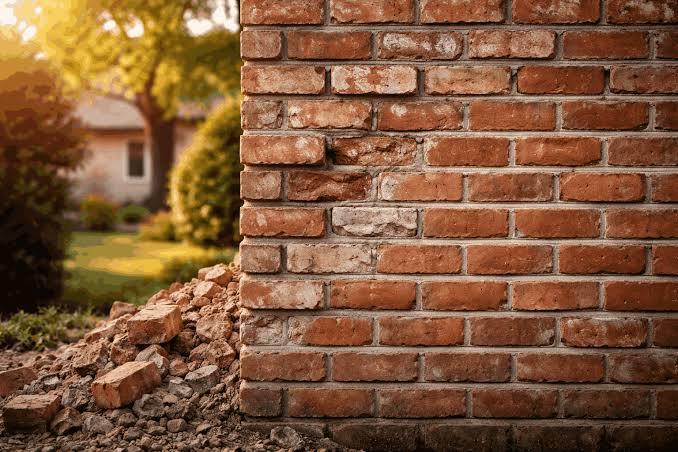
How To Repair Masonry Walls is a common question among homeowners who notice cracks, loose bricks, damaged mortar, or other signs of wear on their property. Masonry walls are built to last for many years, but exposure to weather, moisture, ground movement, and aging can eventually cause damage. Repairing masonry walls at the right time helps restore their strength, appearance, and structural stability. Whether the wall is made from brick, stone, or concrete blocks, proper repair methods help prevent further deterioration while extending the lifespan of the structure.
Why Do Masonry Walls Become Damaged?
Understanding the causes of damage is an important part of How To Repair Masonry Walls. One of the most common causes is moisture entering the wall through cracked mortar joints or damaged bricks. Freeze and thaw cycles, soil movement, poor drainage, tree roots, and normal aging can also weaken masonry over time. Heavy impacts or improper construction methods may create structural cracks that require professional attention. Identifying the source of the problem helps ensure repairs are completed correctly and prevents the same issues from returning.
How to Inspect a Masonry Wall Before Repairs
Before beginning How To Repair Masonry Walls, homeowners should carefully inspect the wall to determine the extent of the damage. Visible cracks, loose bricks, missing mortar, leaning sections, water stains, and bulging areas are common warning signs that repairs may be needed. It is also important to check for moisture around the wall because water damage often contributes to masonry deterioration. A thorough inspection helps determine whether simple repairs will solve the problem or if more extensive restoration is necessary.
Preparing the Wall for Masonry Repairs
Proper preparation is one of the most important steps in How To Repair Masonry Walls. Loose mortar, damaged bricks, dirt, and debris should be removed before new repair materials are applied. Cleaning the surface helps the fresh mortar bond properly with the existing masonry. Any damaged bricks that cannot be repaired should be carefully replaced before new mortar is installed. Taking time to prepare the wall correctly improves the quality of the repair and helps create a stronger, longer lasting structure.
Common Methods Used to Repair Masonry Walls
Several repair techniques are available depending on the condition of the wall. Small cracks can often be repaired using quality masonry fillers or fresh mortar. Damaged mortar joints are commonly restored through repointing, where old mortar is removed and replaced with new mortar to strengthen the wall. Severely damaged bricks or stones may need to be replaced individually to restore the wall's appearance and stability. For larger structural problems, professional reconstruction of affected sections may be necessary to ensure long term safety and durability.
How to Maintain Masonry Walls After Repairs
Regular maintenance is essential after completing How To Repair Masonry Walls because it helps prevent future damage and extends the life of the structure. Homeowners should inspect masonry walls at least once or twice a year for new cracks, loose mortar, water stains, or damaged bricks. Keeping gutters and drainage systems working properly helps prevent excess moisture from reaching the wall. Cleaning the surface regularly also removes dirt, moss, and debris that can trap moisture. Simple maintenance performed on a routine basis helps preserve both the appearance and strength of masonry walls for many years.
When Should You Call a Professional Masonry Contractor?
Although some minor repairs can be handled quickly, certain situations require professional assistance. Homeowners researching How To Repair Masonry Walls should seek expert help if they notice large structural cracks, leaning walls, missing bricks, severe water damage, or significant foundation movement. Professional masonry contractors have the knowledge, equipment, and experience needed to identify the cause of the damage and recommend the most effective repair solution. Early professional repairs help prevent further deterioration while protecting the safety and value of the property.
How Long Do Masonry Wall Repairs Last?
The lifespan of masonry repairs depends on the quality of the materials, workmanship, and ongoing maintenance. When How To Repair Masonry Walls is completed using proper techniques and high quality mortar, repairs can remain strong for many years. Good drainage, timely inspections, and prompt maintenance also play an important role in preventing future damage. Addressing small problems before they become major structural issues helps homeowners avoid expensive repairs while preserving the durability of their masonry walls.
Benefits of Repairing Masonry Walls Early
Repairing masonry walls as soon as damage appears offers several long term benefits. Homeowners who understand How To Repair Masonry Walls know that early repairs help maintain structural strength, improve safety, and preserve the appearance of the property. Timely restoration also prevents moisture from spreading deeper into the wall, reducing the risk of costly reconstruction. In addition, well maintained masonry improves curb appeal and increases the overall value of both residential and commercial properties.
Choose Promaster Maintenance Corp Paving and Masonry for Professional Masonry Repairs
If your property has damaged brick, stone, or concrete walls, Promaster Maintenance Corp Paving and Masonry provides professional masonry repair, brick restoration, stonework, retaining walls, patios, walkways, driveways, and paving services throughout Long Island. Our experienced team uses premium materials and proven repair techniques to restore the strength, appearance, and durability of every masonry structure. Whether you need minor mortar repairs or complete wall restoration, Promaster Maintenance Corp Paving and Masonry is committed to delivering reliable service, expert craftsmanship, and long lasting results that protect and enhance your property.




 English
 French
 Spanish
 Portuguese
 Deutsch
 Turkish
 Dutch
Dutch
 Italiano
 Russian
 Romaian
 Portuguese (Brazil)
 Greek
Greek