


Laser-Assisted Liposuction: What Patients Should Know
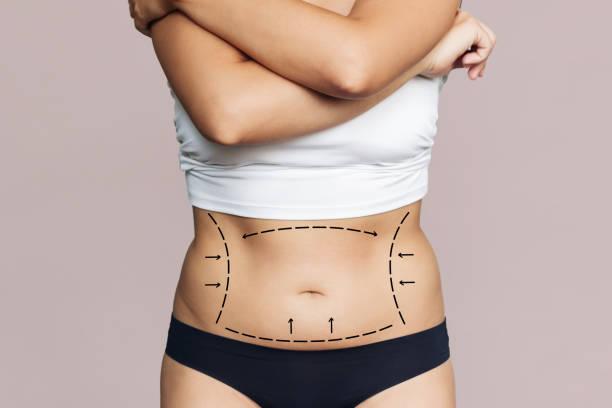
Laser-assisted liposuction is a body-contouring technique that combines laser energy with suction-assisted fat removal. The technology is designed to help treat localized fat deposits while allowing the surgeon to carefully shape the targeted area. If you are considering Liposuction in Riyadh, understanding how laser-assisted techniques work can help you discuss your options and expectations more confidently during a professional consultation.
What Is Laser-Assisted Liposuction?
Laser-assisted liposuction uses a thin fiber or cannula to deliver controlled laser energy into the targeted fatty tissue before the fat is removed with suction. The energy can help disrupt or liquefy fat, making it easier to remove through a cannula. Some laser technologies may also produce a heating effect in surrounding tissue, which can contribute to collagen remodeling and a degree of skin contraction in selected patients.
How Does Laser-Assisted Liposuction Work?
Treatment Planning
The procedure begins with an assessment of the areas you want to contour. Your surgeon considers factors such as fat distribution, skin elasticity, overall health, and your desired body shape. Treatment areas may include the abdomen, waist, thighs, arms, back, or under the chin, depending on individual suitability.
Applying Laser Energy
After the treatment area is prepared, a small fiber is introduced through a tiny incision. Controlled laser energy is directed into the fatty tissue. The energy can help break down fat and may stimulate changes in collagen within the treated tissues.
Removing the Fat
After the fat has been affected by the laser energy, a small cannula is used to remove the targeted fat through suction. The surgeon carefully works across the treatment area to create a smooth and balanced contour rather than removing excessive amounts of fat from one location.
What Are the Potential Benefits?
Laser-assisted liposuction may offer several potential benefits for appropriately selected patients. The laser can assist with fat disruption and may provide some degree of tissue contraction. Small access points can also be used for inserting the treatment instruments. However, the actual outcome depends on factors such as the treatment area, amount of fat, skin quality, technique used, and individual healing response.
Can Laser-Assisted Liposuction Tighten Skin?
One of the commonly discussed features of laser-assisted techniques is their potential effect on collagen. The controlled heat produced by certain laser systems may encourage collagen remodeling and some skin contraction. However, this does not mean the procedure can reliably correct significant loose skin. Patients with substantial skin laxity may need to discuss other surgical or nonsurgical options with their surgeon.
Which Areas Can Be Treated?
Laser-assisted liposuction may be considered for localized fat in areas such as the abdomen, flanks, thighs, arms, back, and submental region. The suitability of each area depends on the individual's anatomy and the specific technology being used. A consultation is important because different body areas may respond differently to treatment.
What Should Patients Expect During Recovery?
Recovery varies depending on the extent of treatment and the number of areas addressed. Swelling, bruising, tenderness, and temporary changes in sensation can occur after the procedure. Your surgeon may recommend wearing compression garments and limiting certain activities during the early healing period. Following postoperative instructions carefully can help support a smoother recovery.
When Will Results Appear?
Initial changes may be noticeable as swelling begins to decrease, but the final contour usually develops gradually. Healing and tissue remodeling can continue for several weeks or longer. Factors such as individual recovery, the treatment area, the amount of fat removed, and skin elasticity can influence how quickly the results become apparent. During a consultation for Liposuction in Riyadh, your surgeon can provide expectations based on your specific treatment plan.
Is Laser-Assisted Liposuction Suitable for Everyone?
Laser-assisted liposuction is not appropriate for every patient. Candidates generally need to be in suitable overall health, have localized fat deposits, and maintain realistic expectations about what body contouring can achieve. Significant weight fluctuations, poor skin elasticity, certain medical conditions, or other factors may affect suitability. A qualified surgeon should evaluate your circumstances before recommending the procedure.
Potential Risks and Considerations
Like other surgical liposuction procedures, laser-assisted liposuction carries potential risks. These may include infection, bleeding, bruising, swelling, changes in skin sensation, contour irregularities, fluid accumulation, and scarring. Because laser energy generates heat, inappropriate application can also cause thermal injury. Choosing an appropriately qualified practitioner and following preoperative and postoperative instructions are important parts of safe treatment planning.
Laser-Assisted Liposuction vs. Traditional Liposuction
The primary distinction is how the fat is prepared before suction removal. Traditional liposuction relies mainly on mechanical movement and suction, while laser-assisted techniques use laser energy before or during fat removal. The addition of energy may provide certain advantages in selected cases, but it does not automatically make one technique suitable for everyone. The surgeon's assessment should guide the choice of approach.
Book a Consultation at Royal Clinic Saudia
If you are considering laser-assisted body contouring, Royal Clinic Saudia can help you understand whether the procedure may be appropriate for your goals. During a personalized consultation, you can discuss treatment areas, skin elasticity, the technique being considered, expected recovery, and potential risks. Contact Royal Clinic Saudia to arrange a consultation and learn more about your options.
FAQs:
Is laser-assisted liposuction the same as traditional liposuction?
Both procedures use suction to remove targeted fat, but laser-assisted liposuction adds controlled laser energy to the treatment process. The most appropriate approach depends on the patient's anatomy and treatment goals.
Does laser-assisted liposuction permanently remove fat?
Fat cells removed through liposuction are permanently removed from the treated area. However, remaining fat cells can enlarge if significant weight is gained, which may affect the overall contour.
Can laser-assisted liposuction treat cellulite?
Liposuction is primarily intended for localized fat removal and body contouring. It should not be considered a guaranteed treatment for cellulite, which involves changes in the skin and underlying connective tissue.
How long do laser-assisted liposuction results last?
Results can be long-lasting when a relatively stable weight is maintained. Lifestyle habits and future weight changes can influence the appearance of the treated areas. Liposuction in Riyadh should therefore be considered part of a broader approach to maintaining body contours rather than a substitute for healthy long-term habits.

 English
 Arabic
 French
 Spanish
 Portuguese
 Deutsch
 Turkish
 Dutch
Dutch
 Italiano
 Romaian
 Portuguese (Brazil)
 Greek
Greek