

Rhinoplasty Before and After: What to Expect
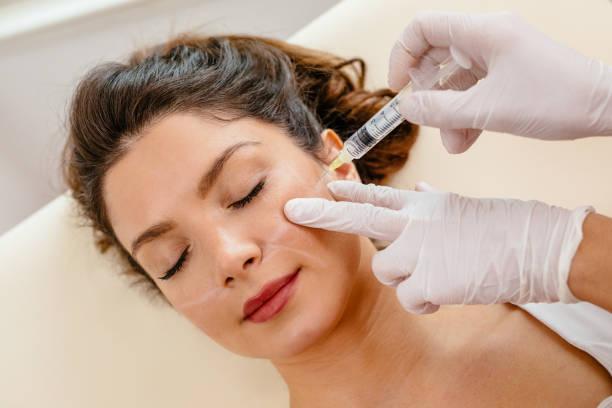
Rhinoplasty can create noticeable changes in the shape and proportions of the nose, but the transformation is not immediate. Understanding what happens before and after surgery can help patients prepare emotionally and physically for the recovery process. Before nose plastic surgery cost in Saudi arabia, patients typically discuss their aesthetic goals, nasal structure, and expectations with their surgeon. After surgery, swelling and bruising can temporarily hide the changes, meaning the early appearance should not be mistaken for the final result.
The before-and-after journey involves several stages, from consultation and surgical planning to recovery and gradual refinement. Every patient's nose heals differently, so results can vary depending on the surgical technique, skin characteristics, and the extent of correction required. Understanding the typical process after Rhinoplasty in Riyadh can make it easier to recognize normal recovery changes and understand why patience is important while the tissues heal.
What Happens Before Rhinoplasty?
Initial Consultation
The process begins with a consultation where the surgeon evaluates the nose and discusses the patient's concerns and desired changes. The discussion may cover the nasal bridge, tip, nostrils, symmetry, proportions, and breathing concerns when relevant.
This consultation helps establish realistic goals and determine whether rhinoplasty is appropriate. Patients should openly communicate what they want to improve rather than focusing only on a particular image or reference.
Treatment Planning
The surgeon develops a treatment plan based on the patient's facial anatomy and objectives. Different noses require different approaches, so a technique that works for one person may not be appropriate for another.
Photographs and other assessments may be used to evaluate the existing nasal structure and plan the procedure. The goal is to create changes that complement the individual's overall facial proportions.
What Should You Expect Immediately After Rhinoplasty?
The first days after surgery are usually focused on rest, protection, and managing temporary postoperative effects. Swelling, bruising, congestion, and tenderness can occur around the nose and nearby facial areas.
The nose may look significantly different from the expected final appearance during this stage. Dressings, splints, and swelling can affect its shape, so patients should avoid judging the surgical result immediately.
What Does Rhinoplasty Look Like After One Week?
Swelling and Bruising
By approximately the first week, some bruising may begin to improve, although swelling can remain noticeable. The nose may still appear fuller or less defined than expected.
Early Shape Changes
Once external dressings or a splint are removed when appropriate, patients may get their first clearer look at the nose. However, this is still an early stage of healing and should not be considered the final result.
Small differences in swelling between the two sides of the nose can also occur. Temporary asymmetry during healing does not necessarily indicate a problem with the surgical outcome.
What Happens During the First Few Months?
As recovery progresses, swelling gradually decreases and the contours of the nose become easier to see. The nasal tip can remain swollen longer than other areas, particularly after procedures involving significant tip reshaping.
Patients may notice their nose becoming more refined over time rather than changing dramatically from one day to the next. Follow-up appointments allow the surgeon to monitor healing and address any concerns.
When Do Rhinoplasty Results Become Visible?
Some improvements can become apparent relatively early, but the final appearance takes longer to develop. Residual swelling can conceal subtle details even after the nose looks substantially improved.
The timeline varies according to the individual and the type of rhinoplasty performed. Patients should avoid comparing their recovery directly with photographs or experiences from other people because healing patterns are not identical.
What Does Rhinoplasty Before and After Really Show?
Before-and-after photographs can provide a useful way to understand the type of changes rhinoplasty may create, but they should be interpreted carefully. Differences in lighting, camera angle, facial expression, swelling, and photography timing can influence how results appear.
A photograph also cannot fully demonstrate changes in breathing, tissue healing, or how the nose looks from every angle. During a consultation, patients can discuss what changes may realistically be achievable for their individual anatomy.
How Can You Prepare for a Better Recovery?
Follow Preoperative Instructions
Your surgeon may provide specific instructions regarding medications, supplements, smoking, eating, and other preparation requirements. Following these instructions can help create safer conditions for surgery and recovery.
Arrange Adequate Rest
Planning time away from work and strenuous activities can make the early recovery period easier. Having assistance available for everyday tasks may also be useful during the first few days.
Prepare Your Sleeping Area
Keeping the head elevated during the early recovery period may help manage swelling. Preparing supportive pillows or a suitable sleeping arrangement before surgery can make postoperative rest more comfortable.
What Should You Avoid After Rhinoplasty?
Patients generally need to protect the nose from pressure, impact, and excessive physical activity while it heals. Strenuous exercise, heavy lifting, contact sports, and activities that could result in a facial injury may need to be postponed.
It is also important to avoid putting unnecessary pressure on the nose while sleeping or handling the surgical area. Your surgeon's specific postoperative instructions should always take priority because recovery recommendations can differ depending on the procedure.
What If Your Rhinoplasty Result Looks Different From Your Expectations?
Early postoperative appearance should not be used to judge the final outcome. Swelling can temporarily make the nose appear larger, uneven, or less defined than expected.
If you have concerns about the healing process, discuss them with your surgeon rather than trying to interpret changes independently. Regular follow-up appointments provide an opportunity to assess progress and determine whether healing is proceeding as expected.
How Can You Maintain Your Rhinoplasty Results?
Once the nose has healed, protecting it from significant trauma is important. Patients should be cautious with activities that could result in facial impact and follow medical advice regarding sports and other high-risk activities.
It is also useful to remember that rhinoplasty does not stop the natural aging process. The nose and surrounding facial tissues can continue to change gradually over the years, even when the surgical changes remain long-lasting.
What Should You Expect From Rhinoplasty Before and After?
The rhinoplasty journey is a gradual transformation rather than an instant change. Before surgery, detailed consultation and planning help establish appropriate goals. Immediately afterward, swelling and bruising can temporarily obscure the result. Over the following weeks and months, the nose gradually becomes more refined as the tissues heal.
With realistic expectations and appropriate postoperative care, Rhinoplasty in Riyadh can provide long-lasting changes tailored to the patient's facial structure and treatment goals. Understanding each stage of the process can help patients approach surgery with greater awareness of what they may see and experience along the way.
Book an Appointment at Royal Clinic Saudia
If you are considering rhinoplasty and want to understand what to expect before and after surgery, Royal Clinic Saudia can provide personalized guidance. Schedule a consultation to discuss your desired changes, treatment plan, recovery process, and expected results.
FAQs:
How soon can I see my rhinoplasty results?
Some changes may be visible shortly after surgery, particularly once initial dressings are removed, but swelling can obscure the final appearance. Results continue to refine as healing progresses.
Is swelling normal after rhinoplasty?
Yes. Swelling is a common part of recovery and can remain noticeable for weeks or longer. The nasal tip may retain swelling for an extended period as the tissues gradually heal.
Why does my nose look uneven after rhinoplasty?
Temporary unevenness can occur because swelling does not always disappear evenly on both sides. Persistent or concerning changes should be evaluated by your surgeon.
When should I judge my final rhinoplasty result?
It is best to wait until sufficient healing has occurred before evaluating the final appearance. Your surgeon can provide a more personalized timeline based on your procedure and recovery.

 English
 Arabic
 French
 Spanish
 Portuguese
 Deutsch
 Turkish
 Italiano
 Russian
 Romaian
 Portuguese (Brazil)
 Greek
Greek