


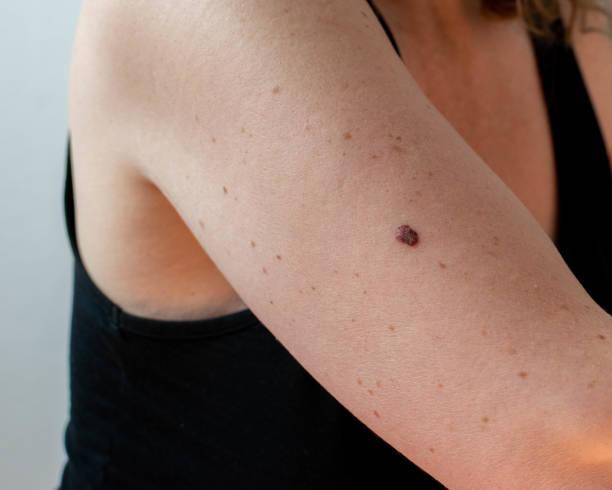
Mole removal is often discussed as a cosmetic procedure, and in many cases it is. But the same appointment that removes an unwanted mole can also be the moment a serious diagnosis is caught early. Mole Removal in Riyadh(إزالة الشامات في الرياض) Skin cancer is among the most common cancers worldwide, and it is also among the most treatable when detected in its early stages. Understanding Mole Removal in Riyadh properly means understanding that removal and skin cancer awareness are connected—not separate concerns. Knowing what to look for, when to seek assessment, and why professional evaluation matters can make a genuine difference to your health.
Why Skin Cancer Awareness Matters
Early Detection Saves Lives
Skin cancer detected early is highly treatable, often with a simple excision. Late detection is far more serious and may require extensive treatment.
Moles Can Be the First Warning Sign
Changes in a mole are frequently the earliest indication of skin cancer. Recognising these changes allows prompt assessment.
Self-Examination Catches Changes Early
Regular self-checks help you notice changes while they are still manageable. Knowing what to look for is essential.
Sun Protection Prevents Most Cases
Most skin cancers are linked to cumulative ultraviolet exposure. Daily protection significantly reduces risk.
Why This Matters
Anyone researching Mole Removal in Riyadh should understand that removal and awareness work together to protect health.
Recognising Concerning Moles
The ABCDE Criteria
Asymmetry, Border irregularity, Colour variation, Diameter greater than six millimetres, and Evolution over time all warrant professional evaluation.
The Ugly Duckling Sign
A mole that looks distinctly different from your other moles deserves attention, even if it does not meet ABCDE criteria.
Additional Warning Signs
Bleeding, itching, crusting, tenderness, or rapid growth should prompt prompt assessment.
New Moles in Adulthood
New moles appearing later in life warrant professional assessment.
Persistent Symptoms
Any mole or lesion that does not heal, or that continues to bleed or crust, requires evaluation.
Why This Matters
Recognising these signs allows early assessment, when treatment is simplest.
The Main Types of Skin Cancer
Basal Cell Carcinoma
The most common form of skin cancer. It grows slowly and rarely spreads, but can cause significant local damage if untreated.
Squamous Cell Carcinoma
More likely to spread than basal cell carcinoma. Often appears as a rough, scaly patch or a sore that does not heal.
Melanoma
The most serious form of skin cancer. It can develop from an existing mole or appear as a new lesion. Early detection is critical.
Other Skin Lesions
Not every concerning lesion is cancer. Actinic keratoses, atypical moles, and other conditions may require monitoring or treatment.
Why This Matters
Understanding these types helps you recognise when assessment is warranted.
When Mole Removal Becomes Diagnostic
Suspicious Features Present
If assessment reveals features suggesting malignancy, removal with tissue analysis is advised.
Symptoms Without Explanation
Bleeding, itching, or crusting without an obvious cause requires evaluation.
Changes Over Time
A mole that has changed in size, shape, colour, or texture should be analysed.
Difficulty Monitoring
Moles in difficult locations or those constantly irritated may be removed and analysed for clarity.
Why This Matters
A Laser mole removal price should never influence the decision to biopsy a mole that warrants evaluation.
Why Professional Assessment Matters
Appearance Alone Is Not Reliable
Even experienced practitioners cannot always judge a mole by sight alone. Dermatoscopy provides magnified inspection that significantly improves accuracy.
Tissue Analysis Provides Certainty
Excision with laboratory examination confirms whether a lesion is benign or malignant.
Early Diagnosis Improves Outcomes
If skin cancer is present, early detection allows simpler, more effective treatment.
Ongoing Monitoring Protects You
Regular skin checks help identify new or changing lesions before they become serious.
Why This Matters
Assessment is not an obstacle—it is the step that protects your health.
Preventing Skin Cancer
Daily Sun Protection
Broad-spectrum sunscreen, protective clothing, hats, and shade all reduce ultraviolet exposure.
Avoid Tanning Beds
Artificial ultraviolet exposure significantly increases skin cancer risk.
Avoid Peak Sun Hours
Midday sun is the most damaging. Plan outdoor activities for early morning or late afternoon.
Protect Children
Childhood sun exposure significantly influences lifetime risk.
Regular Skin Checks
Annual professional examinations are recommended for most adults, and more frequently for higher-risk individuals.
Why This Matters
Prevention reduces the number of moles that require removal and lowers overall risk.
Self-Examination: How to Check Your Skin
Use a Mirror and Good Lighting
Examine your skin in a well-lit room. Use a full-length mirror and a hand mirror to check difficult areas.
Check All Areas
Scalp, ears, neck, back, chest, abdomen, arms, hands, legs, feet, and between the toes.
Ask for Help
The back and scalp are difficult to see. A partner or family member can help.
Note the Date
Record when you performed the check and what you observed.
Frequency
Monthly self-examination is recommended for most adults.
Why This Matters
Consistent self-examination catches changes early, when treatment is simplest.
When to Seek Professional Assessment
Any Mole Meeting ABCDE Criteria
These features warrant dermatological evaluation.
The Ugly Duckling Mole
A mole that looks distinctly different from others deserves assessment.
Changes in a Previously Stable Mole
New changes in an established mole require evaluation.
Symptoms Such as Bleeding or Itching
These signs should never be ignored.
Personal or Family History of Skin Cancer
Higher risk means more frequent professional monitoring.
Why This Matters
Professional assessment provides certainty that self-examination cannot.
After Mole Removal: Ongoing Vigilance
Attend Follow-Ups
These allow assessment of healing and discussion of results.
Monitor the Removal Site
Regrowth or unusual healing should be reported.
Continue Full-Body Checks
Removing one mole does not reduce the need to monitor the rest of your skin.
Protect Your Skin Daily
Sun protection reduces the risk of new lesions developing.
Maintain Regular Professional Reviews
Continued monitoring ensures new concerns are identified promptly.
Why This Matters
Removal addresses one mole; vigilance protects the rest of your skin.
Questions to Ask Your Practitioner
Does This Mole Need Analysis?
Ask whether biopsy is advisable before proceeding.
What Signs Should I Watch For?
Knowing warning signs allows you to monitor between appointments.
How Often Should I Have Skin Checks?
Frequency depends on your risk profile and history.
What Type of Skin Cancer Is Most Common?
Understanding the types helps you recognise concerning lesions.
What Sun Protection Do You Recommend?
Practical advice supports daily prevention.
Why This Matters
Informed patients participate more actively in their own skin health.
Red Flags When Choosing a Provider
Removal Without Examination
If a provider offers to remove a mole without examining it properly, seek another opinion.
No Dermatoscopy
Visual inspection alone is less reliable than magnified examination.
No Discussion of Analysis
If biopsy is not mentioned when suspicious features are present, that is a serious omission.
Unrealistic Promises
Claims of scarless removal or guaranteed results are misleading.
Dismissing Your Concerns
If your questions are minimised, consider whether this provider will listen.
Why This Matters
Recognising red flags protects your skin and your health.
Final Thoughts: Awareness and Action Together
Mole removal and skin cancer awareness are two parts of the same commitment to skin health. Recognising warning signs, seeking assessment for concerning moles, protecting your skin from ultraviolet exposure, and attending regular checks all contribute to early detection and better outcomes. Understand Mole Removal in Riyadh as one part of an ongoing commitment to skin health, and your approach will protect far more than a single mole.
For those seeking expert guidance and customized aesthetic care, you can book an appointment consultation at the 'Enfield Royal Riyadh(إنفيلد رويال الرياض).
FAQs
When should a mole be checked?
If it changes in size, shape, or colour, or if it bleeds, itches, or crusts.
What are the ABCDE signs of melanoma?
Asymmetry, Border irregularity, Colour variation, Diameter over six millimetres, and Evolution over time.
Can mole removal prevent skin cancer?
Removing a suspicious mole can prevent that specific lesion from progressing, but it does not reduce risk elsewhere.
How often should I have skin checks?
Annually for most adults, more frequently if you have a history of skin cancer or many atypical moles.
Does sun protection really reduce skin cancer risk?
Yes, daily sun protection significantly reduces the risk of developing skin cancer.

 English
 Arabic
 French
 Portuguese
 Deutsch
 Turkish
 Dutch
Dutch
 Italiano
 Russian
 Romaian
 Portuguese (Brazil)
 Greek
Greek