


How to Prepare for a Hair Loss Treatment
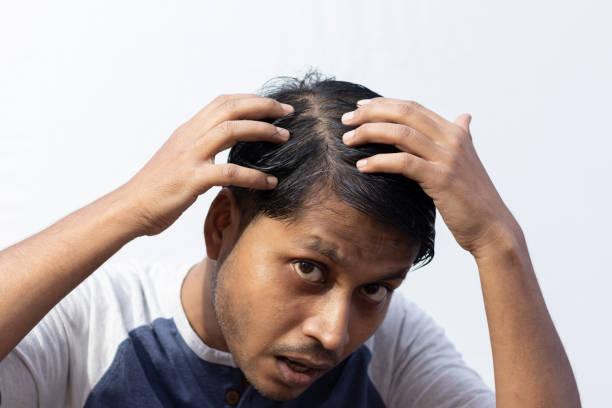
Preparing for a hair loss treatment can help make the process smoother and ensure that your specialist has the information needed to create an appropriate treatment plan. Preparation usually begins with understanding the cause of your hair loss, discussing your medical history, and following any instructions provided before treatment. Hair Loss Treatment in Riyadh may involve medications, PRP, laser-based procedures, or hair transplantation, and each option may require different preparation.
Before treatment begins, a specialist will generally assess your hair and scalp and discuss your concerns, expectations, and previous treatments. You may also be asked about medications, supplements, allergies, medical conditions, family history, and changes in your hair or scalp. Good preparation allows potential risks and treatment requirements to be identified in advance. Hair Loss Treatment in Riyadh should always be planned according to the individual's hair-loss pattern and overall health rather than using the same approach for everyone.
Schedule a Professional Consultation
The first and most important step is arranging a consultation with a qualified hair or dermatology specialist. During the appointment, the specialist can examine your scalp and determine whether your hair loss may be related to hereditary factors, hormonal changes, medical conditions, nutritional issues, stress, or another cause.
-
Discuss when your hair loss started.
-
Explain how quickly it has progressed.
-
Mention areas where thinning or shedding is most noticeable.
-
Share information about previous treatments.
-
Ask questions about suitable treatment options.
Understand Your Diagnosis
Knowing why your hair is falling out can help determine which treatment is appropriate. Different forms of hair loss may require completely different approaches, so treatment should ideally begin after the underlying problem has been evaluated.
In some cases, additional examinations or laboratory tests may be recommended to investigate possible causes.
-
Ask your specialist to explain the type of hair loss.
-
Understand the suspected underlying cause.
-
Discuss whether additional testing is necessary.
-
Learn which treatments may be appropriate.
-
Avoid choosing a treatment solely based on advertisements or trends.
Share Your Medical History
Your medical history can be important when planning treatment. Tell your specialist about previous illnesses, allergies, medications, supplements, and any other relevant health information.
Some treatments may not be appropriate for everyone, so providing accurate information helps your specialist make safer recommendations.
-
Provide a complete medication list.
-
Mention vitamins and supplements.
-
Discuss known allergies.
-
Share relevant medical history.
-
Tell your specialist about previous scalp treatments.
Ask About Medications and Supplements
Some medications and supplements may affect your treatment or require special consideration. Do not stop prescribed medication on your own. Instead, ask your healthcare provider whether any medication or supplement needs to be adjusted before your procedure.
This is particularly important before treatments involving injections or surgical procedures.
-
Bring a list of current medications.
-
Include prescription and non-prescription products.
-
Mention herbal supplements.
-
Ask whether anything should be temporarily avoided.
-
Never discontinue prescribed medication without medical advice.
Follow Pre-Treatment Instructions
Your provider may give you specific instructions depending on the treatment you are receiving. These instructions can vary significantly between medication-based treatments, PRP, laser therapy, and hair transplantation.
Following them carefully can help reduce unnecessary complications and prepare your scalp for treatment.
-
Read all instructions carefully.
-
Ask questions if anything is unclear.
-
Follow recommended washing or scalp-care instructions.
-
Arrive at the appointment as instructed.
-
Inform your provider if anything changes before treatment.
Prepare Your Scalp and Hair
Keeping your scalp clean and avoiding unnecessary irritation can be helpful before many hair treatments. However, the exact preparation depends on the procedure.
Your provider may recommend washing your hair before the appointment or avoiding certain hair products. Avoid making major changes to your normal scalp routine unless specifically advised.
-
Keep the scalp clean.
-
Avoid excessive scratching or irritation.
-
Follow your provider's hair-washing instructions.
-
Avoid unnecessary chemical treatments before the procedure.
-
Tell your provider about any scalp irritation or infection.
Avoid Unnecessary Hair Treatments
Before certain hair procedures, it may be helpful to avoid coloring, bleaching, chemical straightening, or other potentially irritating treatments. These can sometimes make the scalp more sensitive.
Ask your specialist how long you should avoid such treatments before your appointment.
-
Avoid unnecessary chemical treatments.
-
Do not aggressively exfoliate the scalp.
-
Avoid products that cause irritation.
-
Follow the recommended preparation period.
-
Inform your specialist about recent salon treatments.
Prepare for PRP Hair Treatment
If you are receiving PRP, the treatment involves drawing a small amount of blood and processing it before injecting the platelet-rich plasma into selected areas of the scalp. Your provider may give you specific instructions regarding medications, supplements, hydration, and scalp care.
Because individual circumstances differ, follow the instructions provided by your treatment team rather than relying on general preparation advice.
-
Discuss medications and supplements beforehand.
-
Follow any blood-related preparation instructions.
-
Keep the scalp clean as recommended.
-
Ask about eating and drinking before the appointment.
-
Follow post-treatment instructions carefully.
Prepare for Hair Transplantation
Hair transplantation requires more detailed preparation because it is a surgical procedure. Your specialist may provide instructions about medications, smoking, alcohol, hair care, and other factors before the procedure.
You should follow the clinic's specific instructions and disclose any medical concerns before the scheduled procedure.
-
Follow all surgical preparation instructions.
-
Provide complete medical information.
-
Discuss medications with your provider.
-
Avoid activities specifically restricted by your surgeon.
-
Arrange appropriate aftercare and recovery support if recommended.
Set Realistic Expectations
One of the most important parts of preparation is understanding that hair growth takes time. Most treatments do not produce immediate results, and improvement can vary from person to person.
Your specialist should explain what the selected treatment is designed to achieve and how long it may take before changes become noticeable.
-
Understand the purpose of your treatment.
-
Ask about expected timelines.
-
Discuss possible limitations.
-
Understand potential side effects.
-
Avoid expecting instant or complete restoration.
Plan for Aftercare
Preparing for treatment also means knowing what happens afterward. Depending on the procedure, you may need to modify your hair-care routine temporarily or attend follow-up appointments.
Knowing these requirements in advance can make recovery and long-term treatment management easier.
-
Ask about washing your hair after treatment.
-
Learn which products should be avoided.
-
Understand activity restrictions, if any.
-
Schedule follow-up visits.
-
Know when to contact your provider about unexpected symptoms.
Keep Track of Your Hair Before Treatment
Taking photographs before starting treatment can provide a useful baseline. Try to photograph the front, sides, top, and back of the scalp under similar lighting conditions.
These images can help you and your specialist compare changes over time, particularly because gradual hair growth can be difficult to notice from day to day.
-
Take clear baseline photographs.
-
Use consistent lighting.
-
Photograph the same areas each time.
-
Keep records of treatment sessions.
-
Compare progress over several months rather than daily.
Book a Hair Loss Consultation
Good preparation begins with professional evaluation and clear communication. If you are considering Hair Loss Treatment in Riyadh, Royal Clinic Saudia can assess your hair and scalp, discuss suitable treatment options, and provide personalized instructions for preparing before your treatment.
Following professional guidance and understanding what to expect can help you approach your hair treatment with greater confidence and realistic expectations.
FAQs:
What should I do before a hair loss treatment?
Start with a professional consultation, provide your complete medical history, discuss medications and supplements, and follow the specific preparation instructions provided for your treatment.
Should I wash my hair before hair loss treatment?
This depends on the treatment. Some procedures may require clean hair and scalp, while others have different instructions. Follow the guidance provided by your treatment specialist.
Should I stop taking medications before hair loss treatment?
Do not stop prescribed medications without medical advice. Tell your specialist about all medications and supplements you take so they can determine whether any special precautions are necessary.
How can I prepare for better hair treatment results?
Understand your diagnosis, follow pre- and post-treatment instructions, maintain good scalp care, attend follow-up appointments, and keep realistic expectations about the time required for hair growth.

 English
 Arabic
 French
 Portuguese
 Deutsch
 Turkish
 Dutch
Dutch
 Italiano
 Russian
 Romaian
 Portuguese (Brazil)
 Greek
Greek