


Exploring Breast Augmentation Surgery for Asymmetrical Breast Shapes
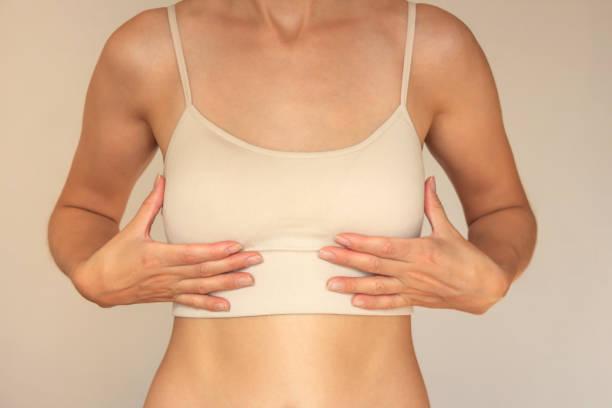
Breast asymmetry is a common natural variation in which one breast differs from the other in size, shape, position, or volume. For some individuals, these differences are subtle, while others may notice a more visible imbalance that affects clothing fit or personal confidence. Breast augmentation surgery in Riyadh (عملية تكبير الصدر في الرياض) may be an option for people seeking to improve breast volume and balance, depending on their anatomy, health, and aesthetic goals. Understanding the causes of asymmetry and the available treatment approaches helps patients make informed decisions before considering surgery.
Breasts can develop differently during puberty, and their appearance may change following pregnancy, breastfeeding, weight fluctuations, or ageing. Previous surgery and certain developmental differences can also contribute to uneven breast shapes. When considering Breast augmentation surgery in Riyadh, patients benefit from an individualized assessment that examines both breasts and the underlying chest structure. A qualified plastic surgeon can explain which changes may be achievable and whether augmentation alone is suitable or another procedure may be needed.
Understanding Breast Asymmetry
Breast asymmetry refers to noticeable differences between the breasts. These differences may involve volume, width, projection, nipple position, or the shape of the breast base. Mild asymmetry is extremely common, and perfectly identical breasts are uncommon even among people who appear symmetrical.
The type and degree of asymmetry influence treatment planning. One breast may have less volume, while the other may sit higher or have a different contour. Some patients have differences in the chest wall itself, which can affect how the breasts appear. Identifying these characteristics during a clinical examination helps establish realistic treatment goals.
A sudden change in breast size or shape, particularly when accompanied by a lump, skin changes, nipple discharge, or persistent pain, should be assessed by a healthcare professional before pursuing cosmetic treatment.
How Breast Augmentation May Improve Uneven Breast Shapes
Balancing Differences in Breast Volume
When asymmetry is mainly related to breast volume, implants of different sizes may sometimes help create a more balanced appearance. The surgeon evaluates each breast separately, considering its existing tissue, base width, and projection before recommending implant dimensions.
The objective is to improve overall balance rather than make both breasts identical in every detail. Natural differences in the chest wall, tissue distribution, and breast position may remain after surgery. Patients should understand these limitations during their consultation.
Addressing Differences in Shape and Projection
Uneven breasts may differ in shape as well as size. One breast might project farther forward, while the other appears flatter or wider. Implant profile, dimensions, and placement can influence the resulting contour, but not every shape difference can be corrected through augmentation alone.
The surgeon may discuss whether implant selection can address the patient's concerns or whether another procedure could be more appropriate. The recommended plan should reflect both the desired appearance and the limits imposed by the patient's anatomy.
Factors Considered During Surgical Planning
Breast Measurements and Chest Structure
A detailed assessment includes measurements of breast width, existing volume, spacing, and the position of the nipples and breast folds. The surgeon also considers the chest wall, shoulder width, and differences between the two sides of the body. These factors help determine whether implants of different dimensions may be suitable.
Photographs and clinical measurements may support planning and help patients understand their natural asymmetry. However, visual simulations and reference images cannot guarantee a particular surgical result.
Skin Elasticity and Existing Breast Tissue
Skin elasticity and the amount of natural breast tissue influence how each breast may accommodate an implant. Differences in tissue thickness or skin quality can affect the final appearance and the degree of implant coverage.
If one breast has significant sagging, adding volume alone may not provide the desired balance. A breast lift may be discussed when nipple position or excess skin is a major concern. The suitability of combining procedures depends on the individual's health, anatomy, and surgical assessment.
Choosing Suitable Implants
Implants differ in volume, width, profile, and material. Selecting the right option involves more than choosing a cup size because bra sizing varies between brands and does not reliably predict implant dimensions.
For some patients, using different implant sizes can help address uneven volume. In other cases, a similar implant size on both sides may be considered if the asymmetry relates more to shape or positioning. The surgeon explains the benefits and limitations of each approach and considers how implant weight may affect breast tissues over time.
Patients should discuss their preferred outcome openly while remaining flexible about the surgeon's recommendations. A suitable plan aims for proportion, comfort, and realistic improvement rather than promising perfect symmetry.
Recovery and Long-Term Expectations
Recovery after breast augmentation varies according to the surgical technique and individual healing. Swelling, bruising, tenderness, and temporary changes in sensation may occur during the early recovery period. The breasts may settle at different rates, so early differences do not always represent the final result.
Patients should follow their surgeon's instructions regarding wound care, supportive garments, exercise, and follow-up appointments. They should also understand potential complications, including infection, bleeding, changes in sensation, capsular contracture, implant rupture, and the possibility of further surgery. Breast implants are not lifetime devices and may require monitoring or replacement.
Maintaining realistic expectations is especially important when treating asymmetry. Surgery may improve balance, but natural differences can remain, and changes in weight, pregnancy, ageing, or skin elasticity may affect the breasts over time.
Book a Breast Augmentation Consultation
A professional consultation can help determine the cause of breast asymmetry and identify suitable treatment options. Patients should discuss their concerns, medical history, desired changes, and any questions about implant choices or recovery. Contact Royal Clinic Saudi (عيادات رويال كلينك) to arrange a consultation and learn about an individualized approach to breast enhancement.
FAQs:
Is breast asymmetry normal?
Yes. Differences in breast size, shape, or position are common. A medical assessment is recommended if a change is sudden or accompanied by other concerning symptoms.
Can breast augmentation make asymmetrical breasts perfectly equal?
Surgery may improve balance, but perfect symmetry cannot be guaranteed because natural differences in tissue and chest structure may remain.
Do both breasts need implants of the same size?
Not always. Depending on the type of asymmetry, a surgeon may recommend different implant sizes or another approach to improve balance.
Is a breast lift necessary for asymmetrical breasts?
Not in every case. A lift may be considered when sagging or nipple position contributes significantly to the asymmetry, but suitability depends on an individual examination.

 English
 Arabic
 Spanish
 Portuguese
 Deutsch
 Turkish
 Dutch
Dutch
 Italiano
 Russian
 Romaian
 Portuguese (Brazil)
 Greek
Greek