


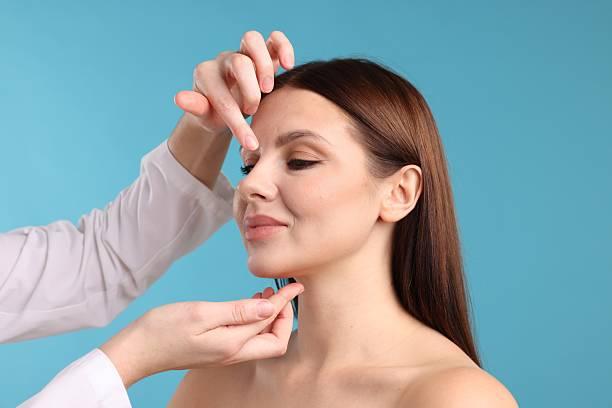
The non-surgical nose job is often discussed as though it produces the same result for everyone. It does not. Non Surgical Nose Job in Riyadh (تجميل الأنف غير الجراحي في الرياض) A flat bridge, a dorsal hump, a drooping tip, and a wide nose each require different approaches—and some respond far better to filler than others. Understanding which nose shapes benefit most, and which are better served by surgery, is essential before committing to treatment. Understanding Non Surgical Nose Job in Riyadh properly means understanding how different nose shapes respond to filler.
Why Nose Shape Determines Candidacy
Filler Adds Volume Only
Hyaluronic acid filler can add volume but cannot reduce it. This fundamental limitation means that noses requiring reduction are poor candidates.
Some Shapes Need Augmentation
Flat bridges, minor depressions, and subtle asymmetries respond well because they need added volume.
Some Shapes Need Reduction
Large humps, wide noses, and bulky tips require removal, which filler cannot achieve.
Some Shapes Need Structural Change
Significant deviation, collapse, and breathing problems require surgical correction.
Why This Matters
Anyone researching Non Surgical Nose Job in Riyadh should understand whether their nose shape is suited to filler. A Best Non Surgical Nose Job provider in Riyadh will assess this during consultation.
Shape One: The Flat or Low Bridge
Characteristics
The bridge lacks height or projection, creating a flatter profile.
How Filler Helps
Filler adds volume along the bridge, creating projection and definition.
Candidacy
Excellent. This is one of the best indications for non-surgical treatment.
Realistic Results
Moderate augmentation is achievable. Extreme height looks unnatural.
Why This Matters
Patients with flat bridges often achieve highly satisfying results. Anyone exploring Non-surgical nose correction should understand this.
Shape Two: The Dorsal Hump
Characteristics
A bump along the bridge creates an uneven profile.
How Filler Helps
Filler placed above and below the hump camouflages it, creating a smoother line.
Candidacy
Good for small humps. Large humps cannot be camouflaged effectively.
Realistic Results
The hump is camouflaged, not removed. The nose may appear slightly larger overall.
Why This Matters
Patients seeking hump removal rather than camouflage should consider surgery.
Shape Three: The Crooked Nose
Characteristics
The bridge leans to one side.
How Filler Helps
Filler added to the flatter side creates the appearance of a straighter bridge.
Candidacy
Good for mild deviation. Significant deviation requires surgery.
Realistic Results
The nose appears straighter, but the underlying structure remains unchanged.
Why This Matters
Moderate improvement is achievable. Significant correction requires surgical intervention.
Shape Four: The Drooping Tip
Characteristics
The tip points downward rather than straight ahead.
How Filler Helps
Filler at the columella and above the tip creates a subtle lifting effect.
Candidacy
Good for mild droop. Significant droop requires surgical rotation.
Realistic Results
Modest lift and improved projection. Not a substitute for surgical tip rotation.
Why This Matters
Patients seeking significant lift should consider surgery.
Shape Five: The Bulbous Tip
Characteristics
The tip appears rounded, full, or poorly defined.
How Filler Helps
Filler can add definition in some cases by building up surrounding areas.
Candidacy
Limited. Filler adds volume, which may make a bulbous tip appear larger rather than more refined.
Realistic Results
Modest improvement at best. Significant refinement requires surgery.
Why This Matters
Bulbous tips are generally better served by surgery than filler.
Shape Six: The Wide Nose
Characteristics
The nose appears broad across the bridge or nostrils.
How Filler Helps
Filler cannot narrow the nose. Adding volume may make it appear wider.
Candidacy
Poor. This is not an indication for filler.
Realistic Results
None. Surgery is required for narrowing.
Why This Matters
Patients seeking a narrower nose should not pursue filler.
Shape Seven: The Short Nose
Characteristics
The nose appears short relative to facial proportions.
How Filler Helps
Filler can add length by building up the tip or bridge.
Candidacy
Moderate. Some improvement is achievable.
Realistic Results
Modest lengthening. Significant changes require surgery.
Why This Matters
Careful assessment determines whether filler can achieve the desired effect.
Shape Eight: The Saddle Nose
Characteristics
A depression along the bridge creates a saddle-like appearance.
How Filler Helps
Filler fills the depression, restoring a smoother profile.
Candidacy
Good, provided the depression is not caused by active disease or infection.
Realistic Results
Significant improvement is often achievable.
Why This Matters
Saddle nose deformity may have underlying causes requiring medical assessment.
Shape Nine: Post-Surgical Irregularities
Characteristics
Minor bumps, dips, or asymmetries remaining after rhinoplasty.
How Filler Helps
Filler smooths irregularities and fills depressions.
Candidacy
Good for minor concerns. Significant issues require revision surgery.
Realistic Results
Refinement rather than revision.
Why This Matters
Filler can refine a surgical result without another operation.
Shape Ten: The Ethnic Nose
Characteristics
Features common to specific ethnic backgrounds, such as a flatter bridge or broader tip.
How Filler Helps
Filler can refine specific features while preserving ethnic identity.
Candidacy
Good for subtle refinement. Patients seeking dramatic change should discuss goals carefully.
Realistic Results
Refinement that respects natural characteristics.
Why This Matters
Preserving ethnic identity matters to many patients. Anyone exploring Non-surgical nose correction should discuss this with their provider.
Questions to Ask Your Provider
Is My Nose Shape Suitable for Filler?
Ask for honest assessment rather than reassurance.
What Results Are Realistic for My Shape?
Request specific information about what can and cannot be achieved.
Would Surgery Serve Me Better?
Some shapes require surgery. Ask directly.
How Long Will Results Last?
Typically six to eighteen months.
What Are the Risks?
Ask about vascular risk and how it is managed.
Why This Matters
Informed patients make better decisions.
Red Flags Regarding Nose Shape
Promises Regardless of Shape
Some noses are not suitable for filler. Honest assessment matters.
Claims It Can Replace Surgery
It cannot reduce or reshape significantly.
No Discussion of Vascular Risk
This is a serious omission.
Ignoring Ethnic Considerations
Refinement should respect natural characteristics.
Pressure to Book Immediately
Genuine consultation allows time for reflection.
Why This Matters
Recognising red flags protects your safety and outcome.
Final Thoughts: Shape Determines Suitability
Different nose shapes respond differently to filler. Flat bridges, minor humps, and mild irregularities are excellent candidates. Wide noses, bulbous tips, and significant deviations are not. Understand Non Surgical Nose Job in Riyadh as a treatment suited to specific shapes rather than all noses, and your expectations will align with reality.
For those seeking expert guidance and customized aesthetic care, you can book an appointment consultation at the 'Enfield Royal Riyadh(إنفيلد رويال الرياض).
FAQs
Which nose shapes suit a non-surgical nose job?
Flat bridges, minor humps, mild irregularities, and small asymmetries respond best.
Which shapes do not suit filler?
Wide noses, bulbous tips, large humps, and significant deviations require surgery.
Can filler straighten a crooked nose?
Mild deviation can be improved. Significant deviation requires surgery.
Can filler refine a bulbous tip?
Limited improvement is possible, but surgery generally produces better results.
How do I know if my nose shape is suitable?
A qualified provider will assess your anatomy and discuss realistic options.

 English
 Arabic
 French
 Portuguese
 Deutsch
 Turkish
 Dutch
Dutch
 Italiano
 Russian
 Romaian
 Portuguese (Brazil)
 Greek
Greek