


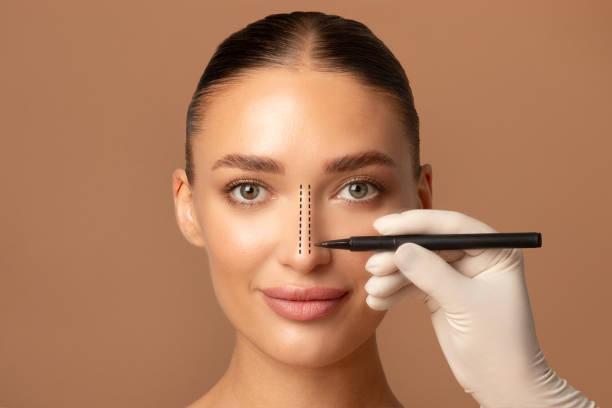
Rhinoplasty is often described as life-changing, and for many patients it genuinely is. But the relationship between a new nose and a new sense of confidence is more complicated than it first appears. Some patients feel transformed; others feel surprisingly unchanged; and a few feel disappointed because they expected confidence to arrive automatically. Rhinoplasty in Riyadh(عملية تجميل الأنف في الرياض) Understanding Rhinoplasty in Riyadh properly means understanding what surgery can realistically do for how you feel about yourself.
Why Patients Seek Rhinoplasty
A Long-Held Concern
Many patients describe a feature that has bothered them for years—sometimes since childhood. Addressing it can bring a sense of resolution.
Functional Frustration
Breathing difficulty affects sleep, exercise, and daily comfort. Improving function often brings satisfaction independent of appearance.
Social and Professional Self-Consciousness
Some patients avoid photographs, certain angles, or specific situations because of their nose.
Desire for Balance
Others feel their nose disrupts overall facial harmony and want proportion rather than dramatic change.
Why This Matters
Understanding your motivation clarifies whether surgery is likely to meet your expectations.
What Rhinoplasty Can Realistically Change
Physical Appearance
Surgery can refine profile, tip definition, bridge width, and overall proportion within the limits of your anatomy.
Breathing Function
Correcting septal deviation or narrowing can significantly improve airflow.
How You Feel in Certain Situations
Many patients report feeling more comfortable in photographs, meetings, and social settings.
The Relief of Resolution
Addressing something that has bothered you for years can bring genuine peace of mind.
Why This Matters
These are meaningful, achievable benefits.
What Rhinoplasty Cannot Do
Create Confidence From Nothing
Confidence is built from many sources—relationships, achievements, health, and self-regard. Surgery enhances appearance but does not manufacture self-esteem.
Resolve Underlying Emotional Concerns
Anxiety, depression, and body dysmorphic disorder require professional support, not surgery. In some cases, surgery can worsen these conditions.
Make You Look Like Someone Else
Results reflect your anatomy. Your nose will suit your face, not a celebrity's.
Guarantee Perfection
Mild asymmetry is normal. Scars remain. Swelling takes months to resolve.
Produce Immediate Emotional Change
Confidence often develops gradually as healing progresses and results become clear.
Why This Matters
Understanding limitations protects satisfaction.
The Emotional Timeline After Surgery
The First Weeks
Swelling obscures results. Some patients feel uncertain or regretful during this phase. This is common and usually temporary.
Months One to Three
Early definition appears, but the tip remains swollen. Patience is tested.
Months Three to Six
Results become clearer. Confidence typically begins building noticeably.
Months Six to Twelve
Final results emerge. Most patients report the greatest satisfaction during this period.
Why This Matters
Understanding the timeline prevents premature judgement.
Setting Realistic Expectations
Focus on Improvement, Not Perfection
Surgery improves appearance significantly but does not produce flawless results.
Accept the Scar
Incisions are concealed, but scars are permanent. Accepting this beforehand prevents disappointment.
Prepare for Gradual Results
Final results take twelve months. Judging too early leads to unnecessary worry.
Define Success in Your Own Terms
Decide in advance what would make the surgery worthwhile for you—breathing better, feeling comfortable in photos, or simply resolving a long-standing concern.
Why This Matters
Realistic expectations protect both satisfaction and emotional wellbeing.
Preparing Emotionally for Surgery
Understand the Healing Timeline
Knowing what to expect week by week prevents panic during early healing.
Arrange Support
Having someone to talk to during recovery makes a measurable difference.
Limit Mirror Time
Excessive checking increases anxiety. Keep bathroom time brief and focused.
Communicate With Your Surgeon
Attend follow-ups, ask questions, and report concerns promptly.
Practise Self-Acceptance
Confidence is a practice, not a destination. Surgery enhances appearance; self-regard sustains it.
Why This Matters
Emotional preparation is as important as physical preparation.
When to Seek Professional Support
Persistent Distress Despite Good Results
If anxiety about appearance continues despite objectively good outcomes, counselling is more appropriate than additional surgery.
Body Dysmorphic Disorder
Obsessive preoccupation with perceived flaws requires professional mental health support.
Depression or Significant Anxiety
These conditions deserve attention independent of any aesthetic concern.
Compulsive Checking or Avoidance
These behaviours may indicate underlying anxiety warranting support.
Why This Matters
Psychological wellbeing is as important as physical results.
Questions to Ask Yourself Before Surgery
Why Do I Want This?
If the answer involves pleasing someone else or fixing emotional pain, reconsider.
Are My Expectations Realistic?
Have you discussed achievable outcomes with your surgeon?
Am I Prepared for Recovery?
Do you understand the downtime, restrictions, and patience required?
Can I Accept Imperfection?
Some asymmetry and scarring are normal.
Do I Have Support?
Having someone to help during recovery matters.
Why This Matters
Honest self-reflection protects satisfaction.
Questions to Ask Your Surgeon
What Results Are Realistic for Me?
Request honest assessment rather than reassurance.
What Will My Recovery Involve Emotionally?
Ask about the timeline and what to expect.
What Happens If I Am Unhappy?
Understand revision policy and realistic options.
Would You Perform This on a Family Member?
This question often elicits the most candid response.
Why This Matters
Informed patients make better decisions.
Red Flags Regarding Confidence Claims
Promises That Surgery Will Transform Your Life
Surgery improves appearance. It does not solve unrelated emotional concerns.
Dismissing Your Concerns
If your questions are minimised, consider whether this surgeon will listen.
Pressure to Book Immediately
Genuine consultation allows time for reflection.
No Discussion of Emotional Recovery
If your surgeon does not address this, ask directly.
Why This Matters
Recognising red flags protects your wellbeing.
Final Thoughts: Confidence Built on Honest Ground
Rhinoplasty can genuinely improve appearance, breathing, and comfort in daily life. But confidence is not delivered by surgery alone—it grows from realistic expectations, patience with healing, and self-regard that exists independent of any procedure. Understand Rhinoplasty in Riyadh as one supportive tool for confidence rather than a complete solution, and your experience will reflect that balance.
For those seeking expert guidance and customized aesthetic care, you can book an appointment consultation at the 'Enfield Royal Riyadh(إنفيلد رويال الرياض).
FAQs
Can rhinoplasty improve confidence?
Yes, by improving appearance and breathing, which often changes how patients feel in social and professional settings.
Will surgery solve emotional concerns?
No, underlying anxiety, depression, or body dysmorphic disorder require professional support.
How soon will I feel more confident?
Confidence typically builds as swelling resolves and results emerge, usually over three to six months.
What if I feel regret after surgery?
Temporary doubt is common during early healing and usually resolves as results become clear.
When should I seek counselling instead of surgery?
If distress about appearance is obsessive or persists despite good results, counselling is more appropriate.

 English
 Arabic
 Spanish
 Portuguese
 Deutsch
 Turkish
 Dutch
Dutch
 Italiano
 Russian
 Romaian
 Portuguese (Brazil)
 Greek
Greek