


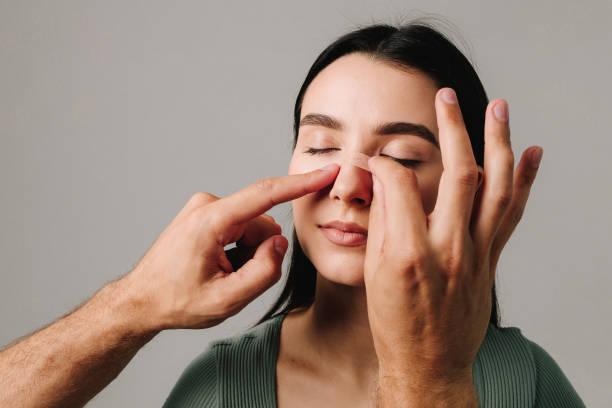
The consultation is where your rhinoplasty is quietly designed. Not in the operating room, not on the day of surgery, but in the conversation and examination that happen before anything is scheduled. Rhinoplasty in Riyadh A thorough assessment determines whether you're a suitable candidate, what techniques will work for your anatomy, and what results are realistic. If you're considering a Rhinoplasty in Riyadh, knowing what a proper assessment involves helps you recognise quality care and ask sharper questions.
Why the Assessment Matters So Much
It's a Medical Evaluation, Not a Sales Pitch
A proper assessment examines your health, anatomy, and goals. If it feels rushed or pushy, that's your first signal.
Safety Decisions Are Made Here
Candidacy, technique selection, and risk assessment all happen during this appointment.
Expectations Are Set Here
Realistic outcomes prevent disappointment later. Anyone promising perfection is setting you up for frustration.
It Reveals the Surgeon's Character
How they answer difficult questions tells you more than any brochure. Evasiveness or pressure are informative.
Before the Examination
Medical History Review
Your surgeon asks about medical conditions, medications, supplements, allergies, and previous surgeries. This isn't a formality. Bleeding disorders, uncontrolled diabetes, and certain medications all affect suitability.
Previous Nasal Treatments
Prior rhinoplasty, septoplasty, filler injections, and trauma all affect planning and risk. Disclose everything.
Medication and Supplement Discussion
Blood thinners, aspirin, and supplements like fish oil increase bleeding risk. Never stop prescribed medication without medical guidance.
Lifestyle Questions
Smoking, alcohol use, and general health habits all influence healing and outcomes.
Goal Discussion
Your surgeon asks what bothers you and what you hope to change. Specific concerns are far easier to address than vague dissatisfaction.
The Physical Examination
External Nasal Assessment
Your surgeon examines the skin, cartilage, bone structure, tip position, and overall shape. Skin thickness and quality are assessed because they affect healing and results.
Internal Nasal Examination
The inside of the nose is examined to assess the septum, turbinates, and nasal valves. This determines whether breathing issues exist alongside aesthetic concerns.
Breathing Assessment
Your surgeon may ask you to breathe through each nostril and observe airflow. Structural causes of obstruction are identified here.
Facial Proportion Analysis
The nose is assessed in relation to your chin, cheeks, forehead, lips, and jaw. Balance matters more than the nose in isolation.
Skin Assessment
Thick skin holds swelling longer and may limit definition. Thin skin reveals irregularities more readily. Both affect planning.
Structural Evaluation
Cartilage strength, bone structure, and existing support determine what techniques will work and whether grafts are needed.
Dynamic Assessment
You may be asked to smile, frown, or express different emotions to assess how your nose moves.
Photographic Documentation
Standardised Photography
Front, profile, oblique, and basal views are captured. These establish a baseline and guide planning.
Consistent Conditions
Lighting, distance, and background are standardised so comparisons remain meaningful over time.
Dynamic Photographs
Some surgeons also capture smiling photographs to assess how your nose changes with expression.
Imaging or Simulation
Some practitioners use digital imaging or sketches to discuss potential changes. These illustrate direction, not guaranteed outcomes.
Your Copy
Ask whether you can keep copies of your photographs for reference.
Discussion of Findings
What's Achievable
Your surgeon explains which of your goals are realistic given your anatomy, and which aren't.
What's Not Achievable
Honest practitioners explain limitations clearly. This is one of the most valuable parts of the assessment.
Technique Options
Different approaches suit different anatomies. Your surgeon should explain the rationale behind their recommendation.
Functional Considerations
If breathing issues exist, the plan should address them alongside appearance.
Combination Options
If chin augmentation, cheek enhancement, or other treatments would improve balance more than nasal surgery alone, this should be discussed.
Risks and Limitations
Bleeding, infection, breathing complications, revision risk, and healing variability should all be covered.
Questions You Should Ask
About Credentials
"What are your qualifications, and how many rhinoplasties do you perform?"
About Technique
"What approach will you use, and why is it suited to my anatomy?"
About Grafts
"Will you use cartilage grafts, and where will they be harvested from?"
About Function
"How will you address breathing alongside appearance?"
About Realistic Outcomes
"What improvement can I realistically expect, and what won't change?"
About Revision
"How often do your patients need revision, and for what reasons?"
About Aftercare
"What does recovery look like week by week, and who do I contact urgently?"
What the Assessment Should Include
Candidacy Discussion
Some patients aren't suitable candidates. Honest practitioners say so at this stage rather than after payment.
Realistic Outcome Setting
You should hear clearly what rhinoplasty can and cannot achieve for your specific anatomy.
Written Surgical Plan
Request details of the proposed procedure, anaesthesia, facility, and aftercare. Written plans reduce misunderstandings.
Cost Transparency
Ask what's included, what's excluded, and what revision would involve. People searching for rhinoplasty riyadh price should get clear answers rather than vague estimates.
Emergency Protocols
Ask what happens if a complication occurs during surgery and what facility support is available.
Red Flags During Assessment
Pressure to Book Immediately
Limited-time offers and same-day incentives have no place in surgical decisions.
Evasiveness About Credentials
If they can't clearly explain their training and hospital affiliation, look elsewhere.
Dismissing Your Concerns
A surgeon who brushes off your questions is showing you how aftercare will feel.
Unrealistic Promises
Guaranteed results, claims of zero risk, or promises of exact measurements should end the conversation.
No Physical Examination
A rhinoplasty assessment without examining your nose internally and externally isn't thorough.
Rushing the Consultation
Planning takes time. A rushed assessment suggests rushed surgery.
Book an Appointment Consultation Clinic
For those seeking expert guidance and customized aesthetic care, you can book an appointment consultation at the Enfield Royal Riyadh. A personalised assessment covers candidacy, technique, realistic outcomes, and aftercare planning.
FAQs
What happens during a rhinoplasty assessment?
Medical history review, physical examination of the nose inside and out, breathing assessment, facial proportion analysis, photography, and discussion of achievable goals.
How long does a rhinoplasty consultation take?
A thorough assessment typically takes 30 to 60 minutes. Rushed consultations are a warning sign.
Should I bring photos to my assessment?
Yes. Reference photos help communicate your goals, though they show direction rather than guaranteed outcomes.
Will the surgeon examine inside my nose?
Yes. Internal examination assesses the septum, turbinates, and nasal valves, which affects both function and planning.
What should I ask at a rhinoplasty consultation?
Ask about credentials, technique, grafts, function, realistic outcomes, revision rates, aftercare, and costs.

 English
 Arabic
 French
 Spanish
 Portuguese
 Deutsch
 Turkish
 Dutch
Dutch
 Italiano
 Russian
 Portuguese (Brazil)
 Greek
Greek