


How Is Alopecia Areata Diagnosed by Hair Specialists?
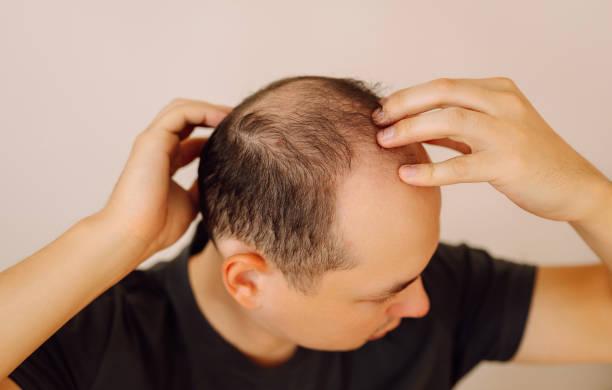
Sudden bald patches, unexpected hair shedding, or thinning eyebrows can raise concerns about the underlying cause of hair loss. One possible explanation is alopecia areata, an autoimmune condition that affects hair follicles and interrupts normal hair growth. Hair specialists and dermatologists use clinical examinations, medical history, and selected diagnostic tests to distinguish this condition from other hair and scalp disorders. Understanding the assessment process for alopecia hair treatment can help patients know what to expect during a consultation and why an accurate diagnosis matters. Although alopecia areata often has recognisable features, professional evaluation is important because different causes of hair loss may require different treatment approaches.
What Is Alopecia Areata?
Alopecia areata is an autoimmune condition in which the immune system mistakenly attacks hair follicles, resulting in hair loss. It commonly appears as smooth, round or oval bald patches on the scalp, although it can also affect eyebrows, eyelashes, beard hair, and other body areas.
The condition does not usually destroy hair follicles permanently, so regrowth may occur. However, the pattern and duration of hair loss vary, and some individuals experience recurring episodes.
Alopecia areata is not contagious and is not caused by poor hygiene. Its diagnosis requires a careful assessment of the appearance of the affected areas and the patient's medical history.
Step One: Reviewing Medical and Hair Loss History
A hair specialist generally begins by asking questions about the patient's symptoms and overall health. This information helps establish when the hair loss started, how it has progressed, and whether other factors may be involved.
When Did the Hair Loss Begin?
The specialist may ask whether the hair loss appeared suddenly or developed gradually. Alopecia areata often causes clearly defined bald patches, but the presentation can differ between individuals.
The clinician may also ask whether the patches are growing, whether new areas have appeared, and whether hair has regrown in previously affected areas.
Family and Medical History
The practitioner may ask about a family history of alopecia areata or other autoimmune conditions. Information about thyroid disease, recent illnesses, medications, and previous scalp problems may also be relevant.
Stress and physical illness may coincide with the onset of hair loss, but neither automatically confirms alopecia areata. The specialist considers the overall pattern rather than relying on a single possible trigger.
Other Symptoms
Patients should mention eyebrow or eyelash loss, changes in nails, scalp discomfort, itching, scaling, or redness. These details can help the clinician determine whether the symptoms fit alopecia areata or suggest another condition.
Step Two: Examining the Scalp and Hair
A physical examination is one of the most important parts of diagnosing alopecia areata. The specialist examines the affected areas and assesses the pattern, shape, and extent of hair loss.
Identifying Characteristic Bald Patches
Alopecia areata commonly produces smooth, round or oval areas of hair loss. The skin within these patches often appears relatively normal, without obvious scarring.
The specialist may look for short broken hairs or hairs that become narrower near the scalp. These findings can provide useful clues, although no single feature is sufficient in every case.
Checking Other Hair-Bearing Areas
The examination may include the eyebrows, eyelashes, beard, and other body areas if symptoms suggest more widespread involvement. The specialist may also inspect the nails for small dents or surface changes sometimes associated with alopecia areata.
Assessing the full pattern helps establish how extensively the condition is affecting the patient and whether further investigation may be useful.
Step Three: Using a Dermatoscope
A dermatoscope is a handheld instrument that magnifies the skin and hair structures. Specialists may use it to examine affected areas more closely and look for findings associated with alopecia areata.
What Can a Dermatoscope Reveal?
Depending on the stage of the condition, the examination may reveal yellow dots, black dots, short broken hairs, or hairs that taper near the scalp. These features can support the diagnosis when considered alongside the clinical examination.
Dermatoscopy can also help distinguish alopecia areata from certain other hair disorders. However, findings vary, and the instrument does not independently confirm every case.
Step Four: Considering Blood Tests and Other Investigations
Not every patient needs laboratory testing. Alopecia areata is often diagnosed through the history and physical examination alone. Additional investigations may be recommended when the symptoms or medical history suggest another possible cause.
Testing for Other Health Conditions
A clinician may recommend selected blood tests if there are signs of thyroid disease, nutritional deficiency, or another medical condition that could contribute to hair loss.
Routine testing for every possible condition is not always necessary. The choice of tests should be guided by the patient's symptoms and individual risk factors.
Ruling Out Other Scalp Disorders
Several conditions can resemble alopecia areata, including fungal scalp infections, traction alopecia, telogen effluvium, and certain forms of scarring hair loss.
If an infection is suspected, the clinician may arrange an appropriate scalp sample or other investigation. This is important because treatment for a fungal infection differs significantly from treatment for an autoimmune hair condition.
Step Five: Is a Scalp Biopsy Necessary?
A scalp biopsy is not routinely required when the clinical features clearly suggest alopecia areata. However, a specialist may consider one if the diagnosis remains uncertain or if another condition, particularly a scarring hair disorder, needs to be investigated.
During a biopsy, a small sample of scalp skin is collected under local anaesthesia and examined under a microscope. The results may help identify changes around the hair follicles and clarify the diagnosis.
The practitioner should explain why a biopsy is being considered, what the procedure involves, and what risks or temporary effects may occur.
How Specialists Determine the Extent of Alopecia Areata
Once the diagnosis is established, the specialist assesses the extent and pattern of hair loss. This helps guide treatment decisions and provides a baseline for monitoring changes over time.
Limited Patchy Hair Loss
Some patients have only one or a few bald patches. Hair may regrow spontaneously, although treatment may be considered depending on the patient's circumstances and preferences.
Extensive Hair Loss
More extensive cases may involve large areas of the scalp or the loss of most or all scalp hair. Some individuals also experience eyebrow, eyelash, or body hair loss.
The extent of hair loss, how long it has been present, and previous treatment responses can influence the management plan. However, these factors cannot predict outcomes with complete certainty.
What Happens After the Diagnosis?
After confirming alopecia areata, the specialist discusses the condition, likely course, and available management options. Some patients may be monitored if hair loss is limited, while others may be offered treatment based on the severity and impact of their symptoms.
Options may include corticosteroid treatments or other prescription medicines for selected patients. Certain treatments require monitoring for side effects, and the appropriate choice depends on age, medical history, disease severity, and local approvals.
People considering Alopecia Areata Treatment in Riyadh should understand that treatment aims and outcomes vary. Hair may regrow in some cases, but recurrence is possible, and no approach guarantees permanent restoration.
When Should You See a Hair Specialist?
Arrange an assessment if you notice sudden bald patches, unexplained eyebrow or eyelash loss, or hair loss that is progressing rapidly. Seek prompt medical advice if hair loss occurs alongside significant scalp pain, marked inflammation, scaling, or signs of scarring.
Early assessment can help distinguish alopecia areata from other conditions and reduce the risk of using an unsuitable treatment. Avoid starting prescription medication or relying on unverified hair-growth products before the cause has been identified.
Book a Professional Hair Loss Consultation
Diagnosing alopecia areata involves reviewing medical history, examining the scalp, and using additional tests only when necessary. An accurate diagnosis helps patients understand their condition and explore appropriate care options. For personalised guidance about Alopecia Areata Treatment in Riyadh, contact Royal Clinic Saudia to arrange a consultation and discuss your hair loss concerns, diagnostic assessment, and suitable next steps.

 English
 French
 Spanish
 Portuguese
 Deutsch
 Turkish
 Dutch
 Italiano
 Russian
 Romaian
 Portuguese (Brazil)
 Greek