


Why Choose Fractional CO2 Laser Treatment for Facial Rejuvenation?
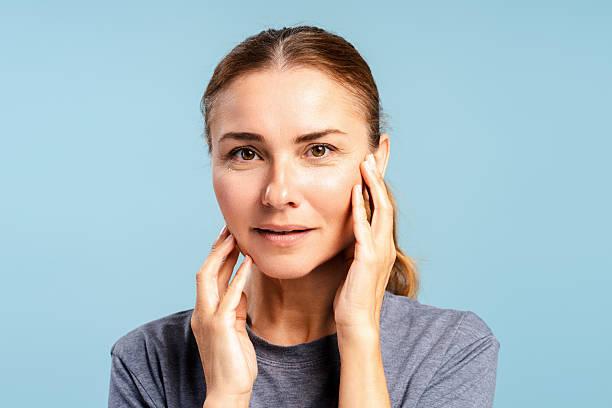
Facial skin can gradually develop fine lines, uneven texture, acne scars, and visible signs of sun damage. These changes may affect how smooth and refreshed the skin looks, leading many people to explore professional skin-resurfacing options. Fractional CO2 laser treatment is one approach that uses controlled laser energy to stimulate skin repair and collagen remodeling. fractional co2 laser may be suitable for individuals who want to improve selected skin concerns and achieve a smoother-looking complexion without traditional surgical resurfacing. However, the treatment is not appropriate for everyone, and its suitability depends on skin type, medical history, treatment goals, and willingness to follow the recommended recovery plan.
What Is Fractional CO2 Laser Treatment?
Fractional CO2 laser treatment is an ablative skin-resurfacing procedure that uses a carbon dioxide laser to create microscopic treatment zones in the skin. These small areas of controlled injury are surrounded by untreated tissue, which helps support the healing process.
As the skin repairs itself, collagen remodeling may improve the appearance of selected scars, fine lines, and surface irregularities. The practitioner can adjust treatment depth and intensity according to the patient's skin concerns and individual risk factors.
Unlike non-ablative laser treatments, fractional CO2 resurfacing removes tiny portions of tissue while also producing heat in the surrounding treatment zones. This can make it useful for certain textural concerns, but it also means that recovery and potential side effects require careful consideration.
How Fractional CO2 Laser Supports Facial Rejuvenation
Facial rejuvenation focuses on improving selected signs of skin aging or damage while maintaining a natural-looking appearance. Fractional CO2 laser treatment may help address several concerns through controlled resurfacing and collagen remodeling.
Improving Uneven Skin Texture
Acne scars, surface irregularities, and accumulated sun damage can make the skin appear rough or uneven. Fractional CO2 laser treatment may help soften selected textural changes by encouraging skin renewal.
Improvements develop gradually as the treated areas heal. The degree of change depends on the nature of the concern, the treatment settings, and individual skin characteristics. Deep or tethered acne scars may require additional procedures rather than laser resurfacing alone.
Softening the Appearance of Fine Lines
Collagen helps provide structural support to the skin. As collagen changes with age and sun exposure, fine lines may become more noticeable. Laser-induced collagen remodeling may help soften some fine lines and improve the appearance of selected facial areas.
The treatment cannot stop the natural aging process, and results vary. Deeper wrinkles or significant skin laxity may respond better to other approaches, depending on the patient's goals.
Addressing Selected Signs of Sun Damage
Long-term ultraviolet exposure can contribute to changes in skin texture and uneven surface appearance. Fractional resurfacing may improve certain superficial changes associated with sun damage, although not every pigmentary concern is suitable for this procedure.
A professional assessment is particularly important for people with melasma or a history of post-inflammatory hyperpigmentation, as heat-based procedures can sometimes worsen pigmentation.
Potential Benefits of Fractional CO2 Laser Treatment
One reason people consider Fractional CO2 Laser Treatment in Riyadh is its ability to address several selected skin concerns through a single type of resurfacing procedure. Potential benefits include:
-
Improved skin texture: Selected rough areas and surface irregularities may become less noticeable.
-
Reduced visibility of certain acne scars: Collagen remodeling may soften some depressed scars.
-
Smoother-looking fine lines: Some fine lines may appear less prominent after healing.
-
Gradual improvement: Changes can develop over time as the skin repairs itself.
-
Personalized treatment settings: The procedure can be adjusted according to the treatment area and individual skin concerns.
These benefits are not guaranteed. The final outcome depends on patient selection, treatment technique, scar characteristics, skin tone, and aftercare. A qualified practitioner should explain what level of improvement is realistic for each individual.
Who May Be a Suitable Candidate?
Fractional CO2 laser treatment may be considered for people with selected acne scars, uneven skin texture, or certain fine lines who are medically suitable for an ablative procedure.
Before treatment, a qualified practitioner should review the patient's skin condition, medical history, current medications, previous cosmetic treatments, and history of scarring or pigmentation changes. Active acne, skin infections, or significant irritation may need to be addressed before resurfacing.
People with darker skin tones may have a higher risk of post-inflammatory hyperpigmentation after ablative laser treatment. Individuals with a history of cold sores, abnormal scarring, or delayed wound healing may also need additional precautions. Depending on the circumstances, another treatment may offer a more suitable balance of potential benefits and risks.
What Happens During the Procedure?
Treatment usually begins with a consultation to discuss the patient's goals and examine the skin. On the day of the procedure, the skin is cleansed, and a topical anesthetic may be used to reduce discomfort. Protective eyewear is required.
The practitioner then directs the laser over the selected areas using settings appropriate for the treatment plan. Patients may experience warmth, stinging, or a snapping sensation.
Afterward, the skin commonly appears red and swollen and may feel sensitive. Small areas of crusting or pinpoint bleeding can occur. The practitioner should explain how to cleanse and moisturize the skin, when to resume normal skincare, and which symptoms require medical attention.
Recovery and Aftercare Considerations
Recovery is an important factor when deciding whether fractional CO2 laser treatment fits your lifestyle. Mild treatments may involve several days of visible recovery, while more intensive resurfacing can require a week or longer for the surface skin to heal. Redness or sensitivity may continue after the initial healing period.
Patients should avoid picking at peeling skin, using harsh exfoliants, or restarting retinoids and acids before the skin has recovered sufficiently. Sun protection is essential to reduce irritation and the risk of pigmentation changes. Makeup and strenuous activities should be resumed according to the practitioner's instructions.
Increasing pain, spreading redness, pus, fever, or unexpected blistering should prompt medical evaluation. Following professional aftercare advice helps reduce avoidable complications.
Understanding the Limitations and Risks
Although fractional CO2 laser treatment can improve selected concerns, it cannot guarantee complete scar removal, perfectly smooth skin, or permanent freedom from fine lines. Some people need multiple sessions, while others may be advised to choose a different treatment.
Potential risks include prolonged redness, infection, acne flare-ups, pigmentary changes, and scarring. The likelihood of complications depends on skin characteristics, treatment intensity, technique, and aftercare.
Patients should ask about expected outcomes, recovery time, alternatives, and the practitioner's experience with their skin type before making a decision.
Is Fractional CO2 Laser Treatment Right for You?
Choosing a facial rejuvenation procedure requires consideration of your specific concerns rather than selecting a treatment based on popularity alone. A professional assessment can help determine whether fractional resurfacing is suitable or whether another approach may better match your goals.
If you are considering Fractional CO2 Laser Treatment in Riyadh, discuss your skin texture, scar type, pigmentation history, recovery expectations, and potential risks during your consultation. Understanding these factors can help you make an informed decision and establish realistic expectations.
Conclusion
Fractional CO2 laser treatment may support facial rejuvenation by improving selected acne scars, fine lines, and uneven skin texture through controlled resurfacing and collagen remodeling. Its suitability depends on individual skin characteristics, treatment goals, and the ability to follow appropriate aftercare. Because results vary and the procedure carries potential risks, professional assessment is essential before treatment. Contact Royal Clinic Saudia to arrange a consultation and discuss personalized options for smoother-looking, refreshed skin.

 English
 Arabic
 French
 Spanish
 Portuguese
 Deutsch
 Dutch
 Italiano
 Russian
 Romaian
 Portuguese (Brazil)
 Greek