


What Is the Science Behind PRP Hair Restoration?
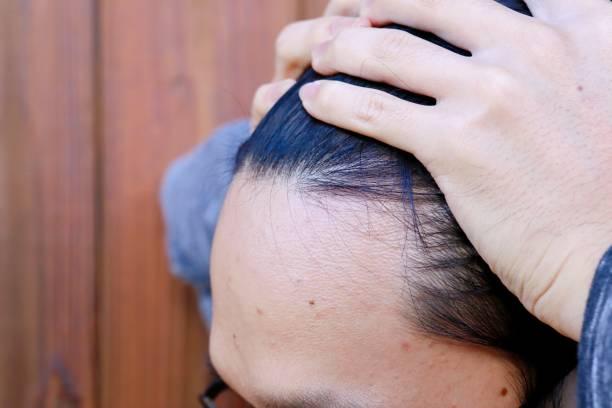
Hair thinning and excessive shedding can affect confidence and make people search for treatments that support natural hair growth. One approach that has gained attention is platelet-rich plasma therapy, commonly known as PRP. This procedure uses a small sample of a person's own blood to prepare a concentrated solution containing platelets and growth factors. For individuals exploring PRP Hair Treatment in Riyadh, understanding the science behind this method can help explain how it may support scalp health and existing hair follicles.
PRP hair restoration is based on the body's natural healing processes. Platelets are blood components that help with clotting and release signaling proteins involved in tissue repair. During treatment, a blood sample is processed to separate and concentrate the platelets. The resulting plasma is then carefully injected into selected areas of the scalp. This is the basic scientific principle behind PRP Hair Treatment in Riyadh, although individual responses can vary depending on the cause and stage of hair loss.
Understanding Platelets and Growth Factors
Platelets play an important role in the body's response to injury. When activated, they release several growth factors and signaling molecules that help coordinate repair processes. These include platelet-derived growth factor (PDGF), vascular endothelial growth factor (VEGF), and transforming growth factor-beta (TGF-β).
These substances are involved in cellular communication, tissue repair, and the regulation of different biological activities. In hair restoration, researchers are interested in whether these signals can help create a more supportive environment for hair follicles. Their potential effects may include supporting follicular cell activity and encouraging processes associated with healthy tissue maintenance.
How PRP Is Prepared for Hair Restoration
The treatment generally begins with collecting a small amount of blood from the patient. The sample is placed in a specialised centrifuge, which spins it at a controlled speed to separate its components. This process allows the platelet-rich portion of the plasma to be collected.
The prepared PRP is then injected into selected areas of the scalp using fine needles. Treatment areas are usually chosen after assessing the pattern of thinning and the condition of the scalp. Preparation methods and platelet concentrations can differ between clinics, which is one reason treatment protocols and outcomes may not be identical.
How PRP May Support Hair Follicles
Supporting the Hair Growth Cycle
Hair naturally passes through different stages: anagen (growth), catagen (transition), and telogen (resting). Hair thinning can occur when the growth phase becomes shorter or when more follicles enter the resting phase. PRP is being studied for its potential to influence signals involved in the hair growth cycle.
Growth factors released by platelets may help support the activity of cells around hair follicles. Some research suggests that PRP may encourage a more favourable growth environment, potentially helping certain follicles remain active for longer. However, results are not guaranteed, and the response differs from person to person.
Supporting Follicular Cell Activity
Hair follicles contain specialised cells that contribute to producing and maintaining hair. PRP growth factors may influence communication between these cells and surrounding tissue. This is one proposed explanation for why some people experience improvements in hair density or thickness after treatment.
The treatment is generally considered more suitable for follicles that are still present but producing thinner hair. It cannot reliably revive follicles that have been permanently destroyed or replace hair in areas where follicular activity has been lost completely.
Promoting a Supportive Scalp Environment
Healthy hair growth depends on more than the follicles alone. The surrounding scalp tissue also plays a role in providing structural and biological support. Certain growth factors in PRP are associated with processes involved in tissue repair and blood vessel formation.
Researchers are investigating whether these effects contribute to improved conditions around hair follicles. However, PRP should not be described as a guaranteed way to increase blood supply or reverse every cause of hair loss.
Who May Benefit From PRP Hair Restoration?
PRP may be considered for people experiencing early-stage thinning or certain forms of pattern hair loss. It may also be discussed when hair density has gradually decreased but follicles remain active. A professional assessment is important because hair loss can result from genetics, hormonal changes, nutritional deficiencies, medical conditions, stress, or scalp disorders.
People with sudden or unexplained shedding may need an evaluation to identify the underlying cause before choosing a treatment. A dermatologist can examine the scalp, review relevant medical history, and determine whether PRP is an appropriate option. PRP Hair Treatment in Riyadh should be considered as part of an individualised hair-care plan rather than a universal solution.
What Results Can Patients Expect?
PRP results usually develop gradually because hair grows in cycles. Some patients may notice reduced shedding or changes in hair thickness over time, while others may experience limited improvement. The number of sessions and spacing between them depend on the treatment protocol and the individual's condition.
Follow-up sessions may be recommended to maintain any improvement, but the schedule varies. It is also important to understand that PRP does not guarantee new hair growth and may work differently depending on the type and severity of hair loss. PRP Hair Treatment in Riyadh should involve realistic expectations and regular assessment of progress.
Is PRP Hair Restoration Safe?
Since PRP is prepared from the patient's own blood, the risk of an allergic reaction to the plasma itself is generally low. However, injections can cause temporary tenderness, redness, swelling, bruising, or discomfort at the treatment site. Infection and other complications are possible if proper clinical standards are not followed.
Patients should share their medical history, medications, and any bleeding or platelet-related conditions with the treating professional. A qualified practitioner can explain potential risks and determine whether the procedure is suitable.
Book a PRP Hair Consultation at Royal Clinic Saudia
Understanding the science behind PRP can help patients make informed decisions about hair restoration. Royal Clinic Saudia offers consultations to assess hair concerns, discuss suitable treatment options, and explain what results may realistically be expected. Book an appointment to receive professional guidance based on your scalp condition and hair restoration goals.
FAQs:
What makes PRP different from other hair restoration treatments?
PRP uses a concentrated portion of the patient's own blood, including platelets and their growth factors. Other treatments may use topical products, medications, or surgical techniques to address hair loss.
How do platelets help with hair restoration?
Platelets release growth factors and signaling molecules involved in tissue repair and cellular activity. These may help support the environment around existing hair follicles.
How long does it take to notice results from PRP?
Results develop gradually and vary between individuals. Some people may notice changes after a series of sessions, while others may experience limited improvement.
Can PRP restore hair in completely bald areas?
PRP is generally considered more suitable for areas where active follicles remain. It cannot reliably restore hair when follicles have been permanently destroyed.

 English
 Arabic
 French
 Spanish
 Portuguese
 Deutsch
 Turkish
 Dutch
 Russian
 Romaian
 Portuguese (Brazil)
 Greek