


Shoulder Pain When Lifting Your Arm: Common Causes and Treatments
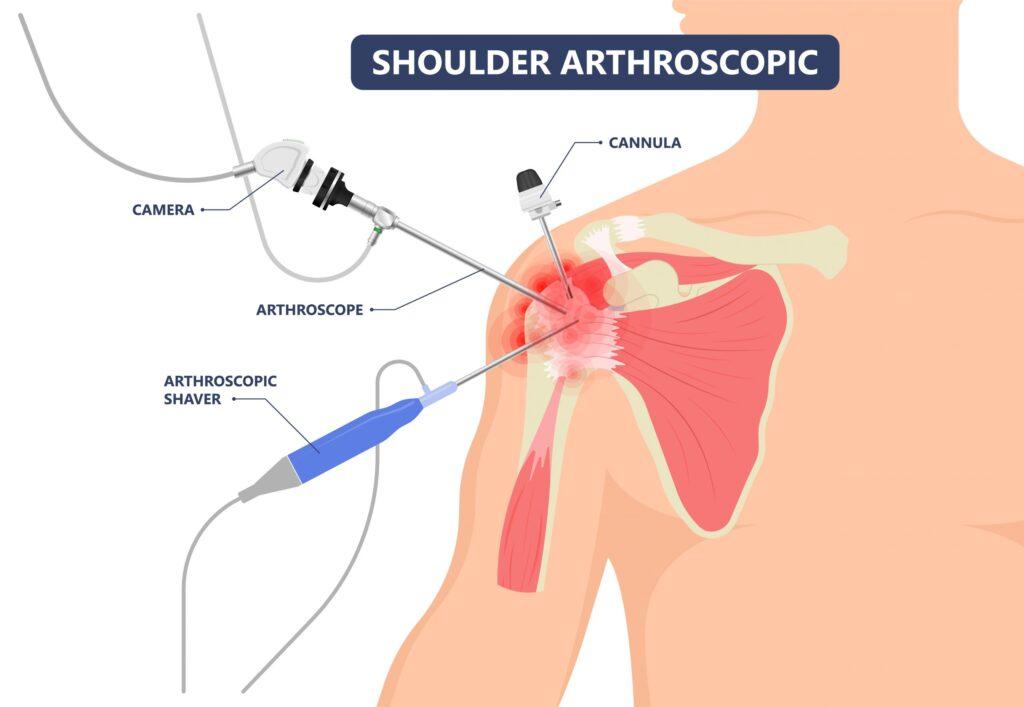
Reaching for something on a high shelf or lifting your arm to put on a jacket should feel effortless. But when shoulder pain interrupts these simple movements, even everyday activities can become frustrating. Pain while raising your arm may develop from inflammation, muscle strain, tendon injuries, or underlying joint conditions. Although some cases improve with rest and physical therapy, persistent discomfort may require medical evaluation. Understanding the possible causes and available treatments can help you take the right steps toward recovery. A Shoulder Surgeon in Troy, MI can assess your symptoms and recommend appropriate care.
1. Why Does Your Shoulder Hurt When Lifting Your Arm in Troy, Michigan?
The shoulder is a highly mobile joint that depends on muscles, tendons, ligaments, and cartilage to work together.
When one of these structures becomes irritated or injured, raising your arm can trigger discomfort, weakness, or restricted movement.
Common Causes of Shoulder Pain During Arm Movement
Rotator Cuff Tendinitis
The rotator cuff tendons can become irritated through repetitive overhead movements, sports activities, or physical work.
Pain often becomes noticeable when lifting the arm away from the body or reaching overhead.
Shoulder Impingement
Shoulder impingement-related pain occurs when structures around the rotator cuff become irritated during movement.
Patients may experience discomfort when raising their arms, particularly through the middle portion of the movement.
Rotator Cuff Tears
A partial or complete tendon tear may cause pain, weakness, and difficulty lifting objects.
Some tears develop gradually, while others occur suddenly following an injury.
Frozen Shoulder
Frozen shoulder causes increasing stiffness and restricted movement as the joint capsule becomes inflamed and tightens.
Shoulder Arthritis
Cartilage deterioration may cause discomfort, grinding sensations, and reduced mobility.
A Common Everyday Example
Imagine a Troy resident who enjoys swimming several times a week.
After increasing their training sessions, they notice mild discomfort when raising one arm overhead. Eventually, the pain begins affecting their swimming technique and daily activities.
An orthopedic examination may reveal rotator cuff irritation rather than a significant tendon tear.
This hypothetical example demonstrates why identifying the underlying condition matters before choosing treatment.
2. Understanding Shoulder Pain Symptoms and Movement Patterns
The location and timing of shoulder pain can provide useful clues about its possible cause.
However, symptoms alone cannot establish a diagnosis.
What Different Pain Patterns May Indicate
|
Symptom |
Possible Cause |
|---|---|
|
Pain while lifting the arm overhead |
Rotator cuff tendinopathy or impingement-related pain |
|
Weakness when raising the arm |
Rotator cuff injury or nerve involvement |
|
Pain when reaching behind the back |
Frozen shoulder or rotator cuff problems |
|
Shoulder pain during sleep |
Rotator cuff conditions or joint inflammation |
|
Grinding with restricted movement |
Shoulder arthritis |
|
Sudden severe pain after an injury |
Fracture, dislocation, or tendon tear |
The Painful Arc of Shoulder Movement
Some individuals experience what clinicians call a painful arc.
This describes pain occurring during a particular portion of arm elevation, frequently between approximately 60 and 120 degrees.
A painful arc may suggest rotator cuff-related shoulder pain, but it is not enough to confirm a specific diagnosis.
When Should Shoulder Pain Become a Concern?
Consider arranging an orthopedic assessment when:
-
Pain continues despite reducing aggravating activities.
-
Shoulder weakness becomes more noticeable.
-
You struggle to raise your arm normally.
-
Discomfort repeatedly interrupts sleep.
-
Symptoms interfere with work, exercise, or household tasks.
Sudden inability to lift the arm after an injury requires prompt medical attention.
Recognizing these patterns can help patients seeking shoulder pain treatment troy avoid unnecessary delays in diagnosis.
3. How to Relieve Shoulder Pain When Raising Your Arm
Many shoulder conditions respond to conservative treatment, particularly when symptoms are evaluated early.
The appropriate approach depends on the underlying diagnosis and severity.
1. Modify Painful Activities
Temporarily reduce overhead lifting, repetitive reaching, and other movements that aggravate symptoms.
Complete immobilization is generally unnecessary unless specifically recommended by a healthcare professional.
2. Consider Physical Therapy
Physical therapy may help improve:
-
Shoulder flexibility
-
Rotator cuff strength
-
Shoulder blade control
-
Joint mobility
-
Movement coordination
Exercises should be tailored to the condition rather than copied from a generic routine.
3. Apply Cold or Heat Appropriately
Cold packs may provide temporary relief following activity-related irritation.
Heat may help relieve muscular tightness in some cases.
Avoid applying either directly to the skin.
4. Discuss Medication Options
Over-the-counter pain medication or anti-inflammatory drugs may be helpful for some patients.
However, these medications are not suitable for everyone, particularly individuals with certain kidney, gastrointestinal, cardiovascular, or medication-related risks.
5. Seek Professional Evaluation
An orthopedic specialist may perform a physical examination and recommend imaging when necessary.
Diagnostic options can include X-rays, ultrasound, or MRI.
When Is Surgery Considered?
Surgery may become an option for significant tendon tears, severe structural injuries, or persistent functional limitations that do not improve with appropriate nonsurgical treatment.
Patients researching shoulder surgery troy should understand that an operation is not automatically required simply because lifting the arm is painful.
4. Personalized Shoulder Treatment and Returning to Daily Activities
A consultation with a Shoulder Surgeon in Troy, MI can help distinguish between temporary irritation and more significant orthopedic conditions.
At Yousaf Orthopedic Surgery, patients can discuss shoulder symptoms, diagnostic evaluations, and treatment options appropriate to their condition.
Building a Practical Recovery Plan
Recovery should focus on restoring comfortable movement while addressing the factors contributing to shoulder pain.
For Office Workers
Adjust workstation positioning, avoid prolonged awkward postures, and take regular movement breaks.
For Athletes
Gradually increase training intensity and strengthen muscles supporting shoulder stability.
For Manual Workers
Review lifting techniques, reduce repetitive overhead loading when possible, and follow appropriate rehabilitation guidance.
For Older Adults
Maintain gentle mobility and discuss persistent stiffness or weakness with a healthcare professional.
The Role of Modern Orthopedic Care
Advances in diagnostic imaging and rehabilitation planning allow specialists to assess shoulder injuries more precisely.
For individuals considering Shoulder Surgery in Troy MI, treatment planning may include reviewing tendon quality, functional limitations, and expected recovery requirements.
However, successful shoulder care is not always surgical. Many patients improve through targeted exercises, activity changes, and ongoing rehabilitation.
Frequently Asked Questions
1. Why does my shoulder hurt when I lift my arm sideways?
Pain during sideways elevation may be associated with rotator cuff tendinopathy, impingement-related pain, or other shoulder conditions. An examination can help identify the cause.
2. Can shoulder pain from lifting my arm heal naturally?
Some mild strains and inflammatory conditions improve with time and appropriate activity modification. Persistent weakness or restricted movement deserves medical evaluation.
3. Should I exercise if lifting my arm hurts?
Gentle, comfortable movement may be appropriate, but avoid exercises that significantly increase pain. A physical therapist can recommend suitable movements.
4. How do I know if I have a rotator cuff tear?
Common symptoms include shoulder weakness, nighttime pain, and difficulty lifting or rotating the arm. A physical examination and sometimes imaging are needed for diagnosis.
Conclusion
Shoulder pain when lifting your arm may result from tendon irritation, joint stiffness, arthritis, or more significant injuries. Identifying the cause is essential because different conditions require different treatments. While physical therapy and activity modifications help many patients recover, persistent weakness or restricted movement may require additional orthopedic care. Understanding your symptoms and seeking timely evaluation can help you restore shoulder mobility, reduce discomfort, and return to everyday activities with greater confidence.

 English
 Arabic
 French
 Spanish
 Portuguese
 Turkish
 Dutch
 Italiano
 Russian
 Romaian
 Portuguese (Brazil)
 Greek