


How Lymphatic Drainage Massage Fits Into Post-Treatment Care
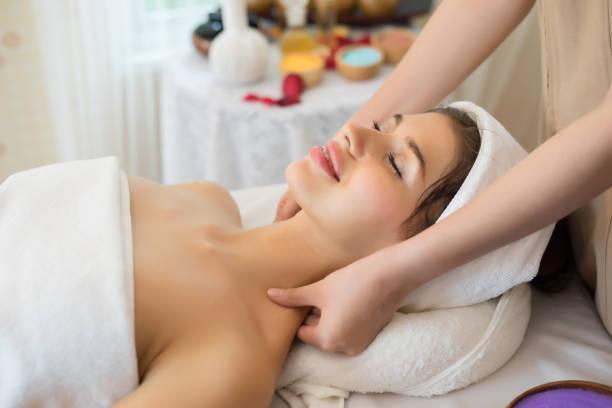
After an aesthetic or medical procedure, the body needs time to recover and adjust. Depending on the treatment performed, temporary swelling, tenderness, tightness, or fluid accumulation may occur during the healing process. Following suitable aftercare instructions can help support comfort and protect the treated area. One technique that may be recommended in selected circumstances is Lymphatic massage (مساج لمفاوي) in Riyadh, also known as manual lymphatic drainage.
Lymphatic drainage massage uses gentle, rhythmic movements to encourage the movement of lymph fluid through the body's lymphatic pathways. When recommended by a treating professional, it may form part of a wider recovery plan for managing certain types of swelling. However, it is not necessary or appropriate after every procedure. The timing and suitability of Lymphatic massage in Riyadh depend on the treatment received, the person's health, and their stage of recovery.
What Is Lymphatic Drainage Massage?
Understanding the Lymphatic System
The lymphatic system is a network of vessels, tissues, and lymph nodes that helps maintain fluid balance and supports immune function. It collects excess fluid from body tissues and returns it to the bloodstream. When lymphatic drainage is disrupted, fluid can build up and contribute to swelling.
Manual lymphatic drainage is a specialised technique that uses light pressure and carefully directed movements. Unlike conventional massage, it does not involve deep kneading or forceful manipulation. Its purpose is to support lymph fluid movement rather than directly treat muscles or alter body fat.
How the Technique Differs from Traditional Massage
Traditional massage often focuses on muscles and soft tissues, using pressure to address tension or discomfort. Lymphatic drainage uses much gentler movements because many lymphatic vessels are located close to the skin's surface. Applying excessive pressure is not necessary and may be unsuitable for recently treated tissues.
Why Lymphatic Drainage May Be Considered After Treatment
Helping Manage Certain Types of Swelling
Swelling can occur after some procedures as part of the body's normal healing response. In selected cases, a healthcare professional may recommend lymphatic drainage to help manage fluid accumulation. It is particularly recognised as one component of care for certain lymphatic conditions, including lymphedema.
Not all postoperative swelling is caused by impaired lymphatic drainage. Inflammation, bruising, tissue healing, and other factors may also contribute. For this reason, massage should only be considered when the treating clinician confirms that it is appropriate.
Supporting Comfort During Recovery
Some people experience tightness or a sensation of fullness in areas affected by swelling. When clinically suitable, gentle lymphatic drainage may help manage the swelling that contributes to this discomfort. The experience and results vary depending on the procedure, individual healing response, and treatment plan.
Complementing a Wider Aftercare Routine
Post-treatment care often involves several measures, such as following wound-care instructions, attending follow-up appointments, wearing prescribed compression garments, and gradually returning to normal activity. Lymphatic drainage may complement these measures when recommended, but it should never replace essential medical aftercare.
Which Treatments May Involve Lymphatic Drainage?
Selected Body Contouring Procedures
Some people undergoing body contouring procedures may experience postoperative swelling. A surgeon may recommend lymphatic drainage in certain cases after assessing the treated area and confirming that healing has progressed sufficiently. The technique and timing should follow the surgeon's specific instructions.
Facial Aesthetic Procedures
Swelling can also occur after certain facial treatments or surgical procedures. However, the face may be particularly sensitive during early recovery. Massage should not be performed unless the treating practitioner confirms that it is safe and explains which areas, if any, can be gently treated.
Other Medical or Cosmetic Treatments
Lymphatic drainage may be considered in some recovery plans involving conditions that affect lymphatic fluid movement. It is not a standard requirement after every injectable treatment, skin procedure, or surgery. Recommendations should always be based on the individual's medical needs rather than a general treatment schedule.
When Should Lymphatic Drainage Begin?
Following the Treating Professional's Advice
There is no universal waiting period for beginning lymphatic drainage after a procedure. The appropriate time depends on the type of treatment, the extent of tissue healing, the presence of wounds or complications, and the person's overall health. Some procedures may require a period of rest before any massage is considered.
Starting too early or using an unsuitable technique may irritate healing tissues or interfere with recovery. Patients should ask their surgeon or treating clinician when massage can safely begin and whether a trained lymphatic drainage practitioner is needed.
Recognising Signs That Need Medical Attention
Increasing pain, spreading redness, unusual warmth, fever, wound discharge, or rapidly worsening swelling should not be treated with massage. These symptoms may require prompt medical assessment. Sudden swelling in one leg, especially when accompanied by pain, warmth, or redness, needs urgent evaluation because it may indicate a blood clot.
What to Expect During a Professional Session
A professional session should begin with a review of the person's treatment history, current symptoms, and aftercare instructions. The practitioner should confirm that lymphatic drainage has been approved and identify any areas that must be avoided. This preparation helps ensure that the technique is appropriate for the stage of recovery.
During the session, gentle movements are used to encourage lymph fluid movement along suitable pathways. Pressure should remain light, and the practitioner should stop if the person experiences pain or unusual discomfort. Session length and frequency depend on individual needs and the guidance of the treating professional.
How to Support Recovery Between Sessions
Following the prescribed aftercare plan is essential. Patients should attend scheduled follow-up visits, care for treated skin or incisions as instructed, and avoid strenuous activity until cleared by their healthcare professional. If compression garments have been recommended, they should be worn according to the provided directions.
Gentle walking or other approved movement may also support general recovery. Staying hydrated and maintaining balanced daily habits can contribute to overall well-being, although these measures do not replace treatment for an underlying medical condition. Patients should contact their care team if symptoms change or recovery does not progress as expected.
Explore Post-Treatment Guidance at Royal Clinic Saudi
Choosing suitable aftercare begins with understanding the procedure and the body's recovery needs. Royal Clinic Saudi (عيادات رويال كلينك) offers an opportunity to discuss relevant wellness and aesthetic treatment options through professional consultation. Anyone considering lymphatic drainage after a procedure should first obtain approval from their treating surgeon or clinician. A personalised assessment can help determine whether the technique is suitable, when it may begin, and how it can fit safely into an overall recovery plan.
FAQs:
1. Is lymphatic drainage massage recommended after every procedure?
No, it is only considered when appropriate for the procedure and the individual's recovery needs.
2. When can lymphatic drainage begin after treatment?
The timing varies and should be confirmed by the treating surgeon or healthcare professional.
3. Does lymphatic drainage massage use strong pressure?
No, it generally uses gentle, controlled movements rather than deep pressure.
4. Can lymphatic drainage replace regular post-treatment care?
No, it may complement an approved recovery plan but cannot replace medical instructions or follow-up appointments.

 English
 Arabic
 French
 Spanish
 Portuguese
 Deutsch
 Turkish
 Italiano
 Russian
 Romaian
 Portuguese (Brazil)
 Greek