


Melasma Treatment for Sun-Induced and Hormonal Pigmentation
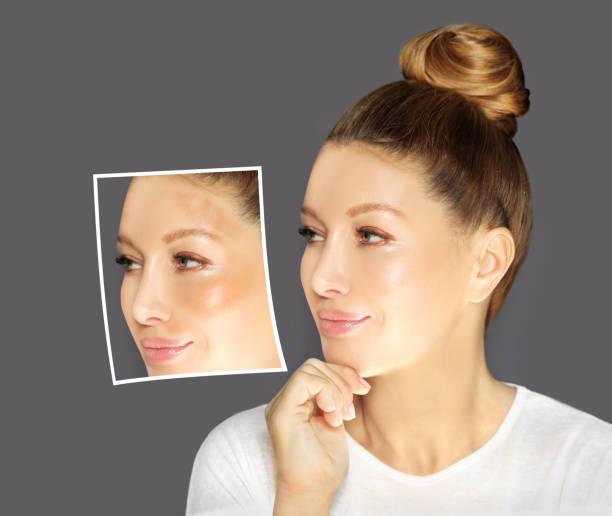
Melasma is a common skin condition that causes brown, greyish-brown, or darker patches, usually appearing on the cheeks, forehead, upper lip, and chin. Sun exposure and hormonal changes are two major factors associated with its development. Understanding these triggers can help individuals choose suitable skincare habits and professional care. melasma treatment focuses on managing uneven pigmentation through an approach tailored to skin type, pigmentation depth, and possible underlying triggers.
Understanding Sun-Induced and Hormonal Pigmentation
Melasma can develop when pigment-producing cells become overactive and produce excess melanin in certain areas of the skin. Although several factors may contribute, ultraviolet radiation, visible light, and hormonal fluctuations are particularly important.
How Sun Exposure Contributes to Melasma
Sunlight can stimulate melanin production, making existing dark patches more noticeable and encouraging new pigmentation. Repeated exposure without adequate protection may also make melasma more difficult to manage. Even brief periods outdoors can affect sensitive, pigmentation-prone skin, particularly when sun protection is inconsistent.
The Role of Hormonal Changes
Hormonal fluctuations may influence pigment production and contribute to melasma. Pregnancy, hormonal contraceptives, and other changes in hormone levels are commonly associated with this condition. Hormonal factors can make pigmentation more persistent, even when someone follows a regular skincare routine.
How to Identify the Difference Between Sun-Induced and Hormonal Melasma
Sun exposure and hormonal changes can contribute to similar-looking patches, so identifying the exact trigger is not always straightforward. In many cases, both factors influence pigmentation at the same time.
Sun-related pigmentation may become more noticeable after outdoor activities or periods of intense sunlight. Hormonal melasma may appear during pregnancy or after changes in hormonal medication. However, appearance alone cannot confirm the cause, and a qualified dermatologist can assess the skin and medical history to guide treatment.
Professional Approaches to Melasma Treatment
Managing melasma usually requires a personalized plan rather than relying on a single procedure. A dermatologist may recommend topical products, in-clinic treatments, or a combination depending on the pigmentation and the individual's skin sensitivity.
Topical Pigmentation Treatments
Prescription creams and dermatologist-recommended skincare products may help reduce excess pigmentation and improve uneven skin tone. Depending on the individual's needs, these may include ingredients such as azelaic acid, retinoids, or other pigment-regulating agents. Hydroquinone may also be considered under professional supervision.
These products should be selected carefully because excessive use or unsuitable combinations can cause irritation. Inflammation may worsen pigmentation, particularly in skin that is prone to post-inflammatory dark marks.
Chemical Peels
Certain chemical peels may help improve the appearance of superficial pigmentation by encouraging controlled exfoliation. However, not every peel is suitable for melasma. Strong or poorly selected treatments can irritate the skin and potentially make discoloration darker.
A professional assessment helps determine whether a gentle peel is appropriate and how it should be incorporated into a broader treatment plan.
Laser and Light-Based Procedures
Some laser and light-based technologies may be considered for selected cases of melasma. These procedures require careful evaluation because heat and inflammation can sometimes trigger further pigmentation. Results vary according to skin type, melasma depth, device settings, and aftercare.
For this reason, laser treatment should only be considered after discussing its potential benefits, limitations, and risks with an experienced dermatologist.
Why Sun Protection Is Essential During Treatment
Sun protection is one of the most important parts of managing melasma. Professional procedures and topical products may help improve pigmentation, but continued exposure to sunlight can trigger dark patches again.
A broad-spectrum sunscreen with SPF 30 or higher should be applied every morning. People who spend time outdoors should reapply it regularly, especially after sweating or washing their face. Tinted sunscreens containing iron oxides may provide additional protection against visible light, which can also contribute to pigmentation in some individuals.
Other helpful habits include:
-
Wearing a wide-brimmed hat when spending time outdoors.
-
Seeking shade during periods of strong sunlight.
-
Avoiding unnecessary direct sun exposure.
-
Using gentle skincare products to reduce irritation.
-
Following the dermatologist's instructions after professional procedures.
Can Hormonal Melasma Be Managed Long-Term?
Hormonal melasma can be challenging because pigmentation may remain active even after visible improvement. Some individuals notice changes during pregnancy or after hormonal medication adjustments. Treatment can help reduce discoloration, but recurrence is possible.
A long-term management plan may involve maintenance skincare, consistent sun protection, and periodic professional assessments. Anyone who suspects that medication or hormonal changes are contributing to pigmentation should discuss this with an appropriate healthcare professional rather than stopping prescribed medication independently.
What to Expect During a Melasma Consultation
A professional consultation generally begins with an examination of the affected areas and a discussion of when the pigmentation appeared. The dermatologist may ask about sun exposure, pregnancy history, hormonal medication, skincare products, and previous treatments.
The assessment helps determine whether the discoloration is consistent with melasma or another pigmentation condition. Based on the findings, the specialist can recommend suitable options, explain possible side effects, and establish realistic expectations. Improvement is often gradual, so follow-up appointments may be useful for adjusting the treatment plan.
Choosing a Suitable Approach for Different Skin Types
Skin tone, sensitivity, and pigmentation depth all influence treatment decisions. Individuals with darker skin tones may have a greater risk of developing post-inflammatory hyperpigmentation after irritating procedures. Those with sensitive skin may also need a slower approach using carefully selected products.
Melasma Treatment in Riyadh should therefore be based on an individual assessment rather than a one-size-fits-all procedure. A suitable plan considers the person's skin characteristics, likely triggers, lifestyle, and ability to maintain consistent sun protection.
Conclusion
Sun-induced and hormonal factors can both contribute to melasma, and managing the condition often requires a combination of professional guidance, appropriate skincare, and daily sun protection. While pigmentation may improve with a carefully selected approach, maintenance is important because melasma can return. For an individualized assessment and guidance on available options, consult the skincare specialists at Royal Clinic Saudia. Professional advice about Melasma Treatment in Riyadh can help you understand suitable options, establish realistic expectations, and develop a consistent plan for managing uneven skin tone.

 Arabic
 French
 Spanish
 Portuguese
 Deutsch
 Turkish
 Dutch
 Italiano
 Russian
 Romaian
 Portuguese (Brazil)
 Greek